This guide explains what Havi Nextgen offers and how to evaluate it for procurement decisions. Background-wise, Havi Nextgen is positioned in the broader next-generation technology and supply ecosystem, where performance, compatibility, and sourcing discipline matter. You’ll find an industry-focused framework for choosing suppliers, setting requirements, and reducing implementation risk.
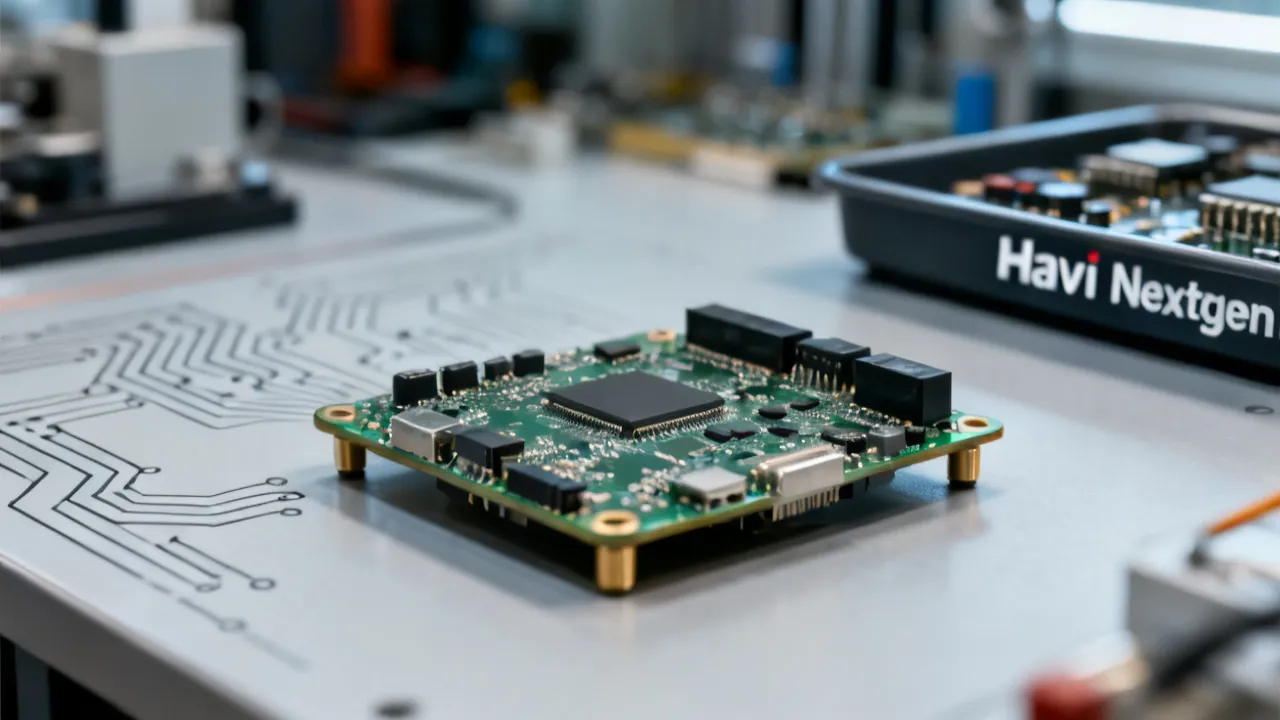
When you evaluate Havi Nextgen, treat it less like a marketing claim and more like an engineering-and-sourcing decision. The right question is not only “what does it do,” but also: How consistently can your supplier deliver it, what documentation supports it, and how will it perform after installation? This article provides a professional, objective checklist so procurement teams and technical stakeholders can compare options, clarify requirements, and align expectations before purchase.
In many markets, “nextgen” offerings span hardware, components, and integrated solutions. For buyers, the very important early step is to establish a clear definition of scope: what exact items are included, what interfaces are supported, and what acceptance criteria will be used. That clarity reduces costly rework and shortens the time from inquiry to deployment.
Procurement lens analysis matters even when the product is “standard.” In technology and industrial supply chains, “standard” can still differ by firmware revision, configuration options, accessory bundles, region-specific compliance requirements, and the level of services included. A procurement-led approach forces alignment among stakeholders—engineering, operations, quality, legal, and finance—so you don’t discover late in the project that you bought the wrong configuration, missing interfaces, incomplete documentation, or insufficient support coverage.
To make this approach actionable, procurement teams should capture requirements as testable, contractible deliverables rather than subjective preferences. In other words, instead of asking “Is Havi Nextgen reliable?” the better question is “What evidence demonstrates reliability under comparable conditions, and what warranty or service commitments mitigate risk during deployment?” This shifts the evaluation from a vendor promise to supplier accountability backed by verifiable evidence.
Also, “procurement lens” does not mean slowing down the buying process. When done well, it speeds up decisions by reducing negotiation cycles and clarifying deliverables early. A well-structured procurement request for quote (RFQ), clear bill of materials (BOM) requirements, and pre-agreed acceptance criteria allow you to compare alternatives on the same basis and avoid repeat evaluations.
Across industries, products under a “next-generation” label usually share three traits: improved performance targets, more robust integration capabilities, and updated compliance or quality processes compared with earlier generations. With Havi Nextgen, buyers typically encounter questions around compatibility, lead times, technical support depth, and whether the supplier can provide traceable documentation.
Because product lines and bundles vary by region and channel, buyers should validate the specific configuration they are purchasing. In particular, confirm whether the offering is a standalone item or part of a broader system that includes peripherals, installation materials, commissioning support, or ongoing maintenance.
It is also important to recognize that “next-generation” in many supplier portfolios can refer to multiple categories:
From a procurement standpoint, the risk is that buyers may receive only a subset of what they expected. For example, a technical stakeholder may assume “nextgen” includes certain drivers or interface modules, while procurement later finds that these are optional add-ons. This is why procurement teams should not only request the product name but also request the exact SKU(s), revision identifiers, included accessory part numbers, and documented configuration.
In addition, buyers should consider whether the “nextgen” label is aligned to a specific versioning strategy. Some suppliers may use branding rather than strict version numbers, making it harder to compare across purchase orders. A procurement lens helps by demanding version-anchored deliverables: what software release, firmware build number, hardware revision, or compliance documentation revision you receive.
Pricing for Havi Nextgen is often influenced by factors such as scope (single component vs. integrated solution), order quantity, requested documentation (e.g., test reports, manuals), delivery mode, and whether technical assistance is included. Rather than relying on a single “price” figure, procurement teams often need a breakdown that distinguishes:
For objective decision-making, ask the supplier to provide a quotation that clearly enumerates line items, terms of delivery, and warranty or support coverage. If you later compare Havi Nextgen against alternative products, this structure ensures you’re comparing like with like.
Procurement teams should verify that price comparisons include not only purchase cost, but also total cost implications that affect project outcomes. Consider at least the following pricing-related items:
Pricing should also be evaluated for risk premiums. If a supplier prices a next-generation bundle aggressively low, procurement should ask whether they are absorbing the cost by limiting documentation, reducing support coverage, or relying on assumptions about your integration capability. Conversely, higher-priced offers may reflect stronger quality evidence, better traceability, or a more robust commissioning plan—benefits that can reduce operational downtime during ramp-up.
For fairness, ensure procurement compares quotes under identical conditions. A disciplined RFQ template should define required deliverables and acceptable substitutes. If suppliers propose substitutes, procurement should capture equivalent evidence and document why substitutions meet acceptance criteria.
In industry practice, “value” is rarely just the lowest price. With Havi Nextgen, supplier credibility often predicts implementation outcomes. Evaluate suppliers using a disciplined approach that covers:
Even a well-specified product can underperform if integration assumptions are wrong or if support is limited during the ramp-up period.
Supplier due diligence should be considered a multi-layer evaluation. Procurement teams should not rely solely on vendor certifications displayed on websites. Instead, due diligence should focus on operational evidence: how the supplier behaves during delivery and onboarding, how they handle exceptions, and how they demonstrate that they can repeat performance consistently.
To operationalize due diligence, procurement can request specific artifacts and answer specific questions. For example:
Additionally, procurement should check continuity risks. “Nextgen” products may have rapid revision cycles; that can be beneficial if it improves performance, but it can also create compatibility drift. A procurement lens requires asking whether the supplier offers stable configuration support for a period, and whether they can commit to a specific software/firmware baseline for initial deployments.
Due diligence can also include financial stability and operational resilience. If a supplier is restructuring, experiencing supply constraints, or relying on fragile upstream components, even a technically strong offering can deliver late or with inconsistent quality. Procurement should ask for lead-time ranges, allocation policies (if shortages occur), and how they handle backorders.
Before finalizing a purchase, define your acceptance criteria for Havi Nextgen. Industry experts recommend translating requirements into testable statements. Consider specifying:
By front-loading these details, you reduce the chance that the product performs differently than stakeholders expected.
Acceptance criteria should be more than “it works.” Procurement should align on measurable parameters and specify how they will be verified. This includes not only performance metrics but also configuration behavior, interface correctness, and operational readiness. Examples of acceptance test categories procurement teams can request include:
When acceptance criteria are clear, procurement can embed them into contract language. That reduces ambiguity and helps if disputes arise later. For example, rather than arguing about “quality,” both sides can point to defined test procedures and results.
Procurement should also require that supplier documentation aligns with the configuration delivered. Documentation mismatch is a common hidden risk. Buyers should ask: “If we receive revision X hardware and software version Y, do the manuals and test reports reflect exactly those versions?” A procurement lens demands this consistency because mismatched documentation can lead to incorrect installation steps, extended commissioning timelines, and avoidable downtime.
Compatibility must be addressed not only at the interface level but also at the systems level. For example, some products may be compatible with the hardware interface but still require additional middleware, driver versions, or security configurations. If those prerequisites are not specified and delivered (or at least documented), the “integration readiness” may be incomplete. Procurement should request prerequisites lists and configuration dependencies.
Procurement teams often encounter predictable issues when purchasing next-generation offerings like Havi Nextgen. Typical pitfalls include:
An objective approach is to request a written supply plan for your initial order and, ideally, a roadmap for subsequent deliveries.
Risk management should be proactive and evidence-driven. Procurement teams can reduce risk by identifying which risks are controllable through contract language and which risks require operational mitigation. Consider the following risk categories and how to address them:
Procurement pitfalls often occur when teams treat next-generation purchases as “one-time transactions.” In reality, many nextgen products enter a lifecycle where firmware updates, component substitutions, and support transitions occur. A procurement lens includes lifecycle thinking: you should plan how you will manage updates, how you will validate changes, and what evidence you will keep for audit and maintenance purposes.
To manage change control risk, procurement should ask for the supplier’s approach to notifying buyers of substitutions or revisions. A mature policy typically includes:
Procurement should also ensure that warranties and RMA terms are not only “written,” but operationally usable. Buyers should clarify what is required from them to initiate an RMA (for example, serial numbers, fault logs, diagnostic outputs) and what the supplier must provide in return (repair/replacement timelines, shipping method, temporary replacements if applicable).
Finally, procurement should consider how risks translate into measurable contract obligations. If delivery timing affects production, define contractual remedies. If installation issues affect operations, define support responsibilities and acceptance test gates.
The broader category that includes Havi Nextgen sits within a procurement reality shaped by modern supply chains: shorter product cycles, faster revision cadence, and higher expectations for documentation and traceability. Industry buyers increasingly prioritize measurable deliverables—test reports, interface specifications, and documented maintenance procedures—because these are the artifacts that enable predictable integration and audit readiness.
From a governance standpoint, procurement professionals also look for consistency with recognized quality and supplier management frameworks. While product specifics vary, the purchasing logic is stable: define requirements, evaluate evidence, and confirm accountability through contract terms.
In practical terms, “next-generation” sourcing introduces a different risk profile than buying a long-established product. The risk is not only that the product might fail, but that it might function differently than expected due to revisions that occur faster than traditional procurement and integration cycles. For example:
Procurement teams can mitigate these risks by requiring stable baselines for initial deployments and ensuring that configuration records are stored. This includes capturing the firmware/software version delivered, the hardware revision, and the documentation revision used during installation.
Governance also includes accountability for data and records. Many organizations require evidence for compliance audits, internal quality management, and incident investigations. Procurement-led evidence capture can support these needs by ensuring the supplier delivers the documentation package you actually need, not just marketing brochures or generic manuals.
Another context element is the increasing expectation for responsible supply chain practices. While this article does not make claims about product-specific ethics, it is prudent for procurement teams to consider supplier due diligence around environmental management, labor and human rights policies (where relevant), and risk-based due diligence processes. This is especially relevant in industries with regulatory or reporting obligations.
Therefore, a procurement lens is a governance tool as much as a risk tool. It helps ensure that “next-generation” purchases meet organizational expectations for documentation quality, supply continuity, and supplier accountability.
The table below contrasts practical evaluation elements you can apply to Havi Nextgen across suppliers and purchase models. It is designed to help you structure internal discussions without assuming specific price or availability figures.
| Evaluation element | What to compare for Havi Nextgen | What “good” evidence looks like |
|---|---|---|
| Scope definition | What is included in the offer (hardware, software, accessories, commissioning support) | Clear bill of materials, itemized quotation, service description |
| Documentation package | Which manuals, test reports, and technical specs are supplied | Relevant manuals, configuration guides, and test/inspection records |
| Supplier accountability | Who owns outcomes during installation and ramp-up | Named support contacts, escalation paths, and defined responsibilities |
| Quality and traceability | Whether the supplier can trace batches/serials | Serial/lot details plus QC/QA inspection documentation |
| Warranty & returns | How defects are handled and what conditions apply | Written warranty terms, RMA process, and exclusions stated clearly |
| Lead-time realism | Delivery timelines under normal and constrained supply conditions | Documented lead-time ranges and a supply plan for initial and follow-up orders |
| Compatibility assurance | Whether interfaces match your existing environment | Integration checklist, compatibility statements, and test results (where available) |
| Change management | How revisions and substitutions are communicated | Change-notification policy and documentation for revisions |
To make this table more useful, procurement teams can add a scoring or “evidence level” column internally. For example, evidence can be categorized as:
This internal evidence scoring helps avoid the common trap where two suppliers appear similar on paper, but one cannot provide verifiable artifacts.
Use the steps below to build an objective purchasing record for Havi Nextgen. This approach is appropriate for procurement teams, engineering leads, and IT/operations stakeholders working together.
To further strengthen this process, procurement teams can also require a “pre-contract technical alignment meeting.” The goal is not only to discuss technical topics, but to confirm responsibilities. For example, engineering might handle integration, while the supplier handles certain configuration parameters. A documented RACI (Responsible, Accountable, Consulted, Informed) model prevents confusion later.
Similarly, procurement should require that the supplier provides a draft of the commissioning checklist for review before contract finalization. Even if you later adjust it, having the supplier propose the commissioning flow ensures you do not miss prerequisites such as power conditioning, configuration prerequisites, or network security requirements.
Finally, procurement should maintain a “requirements traceability matrix.” This matrix links each requirement to the evidence delivered (documentation, test report, statement, pilot results) and to the contract deliverable. It is one of the best ways to ensure that procurement decisions are objective and defensible.
To minimize implementation risk with Havi Nextgen, consider these baseline conditions during contracting:
To make these requirements operational, procurement teams should specify how each condition will be verified. Examples include:
In higher-stakes deployments, procurement may add service-level requirements for early-stage support. A typical approach is to establish an “onboarding support window” for the initial units delivered, where the supplier provides dedicated escalation contacts and additional technical sessions. This can prevent a slow ramp-up caused by unclear troubleshooting ownership.
Procurement also often includes data and record obligations. For example, suppliers may be asked to provide:
These deliverables may seem administrative, but they can be crucial during audits, incident investigations, and lifecycle maintenance. Having them at purchase time prevents you from chasing records later when urgency is highest and supplier responsiveness may be lower.
Havi Nextgen is commonly used as a brand label for next-generation technology offerings within a supplier’s portfolio. In practice, buyers should confirm the specific SKU, configuration, and included components because “nextgen” can refer to different product bundles depending on the channel and region.
To avoid ambiguity, procurement should request a “spec sheet bundle” for the exact offer. This can include hardware revision identifiers, firmware/software release versions, and a list of included accessories. If the supplier cannot provide a consistent spec sheet tied to the offer, procurement should treat that as a risk signal.
Request itemized quotations that separate unit price, integration components, logistics, documentation, and support/commissioning. Then compare against the same acceptance criteria and documentation deliverables to ensure like-for-like evaluation.
Additionally, require that suppliers quote under the same commercial terms. If one supplier includes a baseline commissioning service and the other does not, a direct unit-price comparison can mislead stakeholders. Procurement should normalize the comparison by adding missing elements as line items in a consistent way or by demanding that all suppliers include the same scope.
Typically, request installation and user manuals, configuration or integration guides, relevant technical specifications, and any available test/inspection documentation. Also confirm whether documentation is aligned with the specific revision shipped.
Procurement teams should also consider operational documentation needs such as troubleshooting guides, maintenance schedules (if applicable), and error-code explanations. If these are not included, integration teams may spend extra time diagnosing issues during commissioning. Even if the product works, the time-to-repair and time-to-commission can become hidden costs.
Compatibility depends on your current interfaces and operational constraints. Build an integration checklist and request written compatibility confirmations from the supplier, backed by relevant technical documentation and (where possible) test evidence.
Integration readiness is often more complex than interface matching. Procurement should ensure that prerequisites like required software versions, middleware, network settings, security certificates, or calibration requirements are identified. If those prerequisites are not clearly specified, integration may fail late, causing schedule disruption.
Look for written warranty duration, what constitutes a covered defect, troubleshooting steps, RMA or replacement timelines, and exclusions. Ensure the terms match your operational conditions and intended use.
Also evaluate warranty usability: How quickly does the supplier acknowledge an RMA? Are replacement parts guaranteed in a timeframe? Are shipping costs covered? Are there specific conditions that void warranty based on installation practices? Procurement should align these terms with how your organization installs and operates the product.
Ask for lead-time ranges and a supply plan for initial and follow-up orders. Align delivery dates with internal milestones and define contractual remedies or escalation steps if dates shift.
Lead-time planning should include worst-case considerations. Procurement may ask about allocation policies during constrained supply periods and what the supplier will do if parts shortages occur. This helps prevent schedule failures when the project is already committed.
Use acceptance tests, define responsibilities during commissioning, consider a pilot deployment for complex installations, and maintain a controlled configuration record so that software/firmware and hardware revisions remain consistent.
Risk reduction also includes operational readiness. Procurement can ensure training materials are available and that a support escalation channel is defined before installation starts. When onboarding is successful, it is usually because responsibilities and procedures were established early, not because issues never occurred.
While product-specific benchmarks vary, you can rely on widely recognized quality and supplier management approaches. For example, many organizations use ISO-aligned quality practices and supplier performance monitoring methods. For general supply chain and quality principles, consider referencing reputable standards bodies and well-documented industry reports.
It can also be beneficial to benchmark procurement practices internally—such as how your organization manages acceptance testing, evidence capture, RMA processing, and supplier performance reviews. Even without universal product benchmarks, consistent procurement governance improves outcomes across technology categories.
Because this article does not assert specific numerical performance claims for Havi Nextgen, it focuses on procurement methodology and verification. For general guidance on supplier management, quality assurance, and risk-based procurement practices, buyers can consult recognized standards and supply chain governance references such as:
When comparing vendors, ensure that any additional statistics are taken from credible, recent reports and applied carefully to your specific industry and region.
Procurement teams should remember that standards and reports guide evaluation quality, not product performance guarantees. The most valuable evidence for a purchasing decision typically comes from supplier-provided documentation tied to your exact configuration, supported by objective acceptance testing and clear contract obligations.
Where possible, procurement should also maintain an internal library of “evidence templates.” For instance, a standardized request list for test reports, a standard warranty/RMA checklist, and a standardized acceptance testing form can make evaluations faster and more consistent across different product categories, suppliers, and regions.
From an industry expert’s standpoint, successful adoption of Havi Nextgen comes down to disciplined evaluation: clear scope, documented evidence, compatibility validation, and contract terms that define accountability. If you treat the purchase as an engineering alignment process—not merely a vendor transaction—you’ll be better positioned to deliver predictable results, reduce operational surprises, and justify procurement decisions with an audit-ready rationale.
One practical mindset shift is to treat procurement artifacts as part of the product. The manuals, configuration guides, test reports, traceability records, and support terms are not administrative extras; they are the operational instruments that ensure the technology can be installed correctly, maintained over time, and supported when issues occur.
When “next-generation” is handled through procurement discipline, it becomes measurable and manageable. You can move from “we believe it will work” to “we verified it, documented it, and contractually defined responsibilities.” That is the difference between procurement that reacts to problems and procurement that prevents them.
Ultimately, the objective is not only to buy Havi Nextgen, but to buy confidence: confidence that the delivered configuration matches what was promised, that interfaces behave as expected, and that support and warranty coverage are strong enough to protect your timelines. When those conditions are met, next-generation adoption can deliver real benefits—faster integration, improved performance, and better lifecycle outcomes—without the hidden costs of ambiguity and rework.
Striking the Perfect Balance: Navigating Premiums and Out-of-Pocket Expenses in Senior Insurance Plans

Explore the Tranquil Bliss of Idyllic Rural Retreats

How to Make Lasting Memories at Disneyland Attractions

Affordable Phones and Plans for Seniors

Affordable Full Mouth Dental Implants Near You

Unlock the Top Kept Secrets to Finding Your Ideal Dentist for Flawless Dental Implant Results!

Discovering Springdale Estates

Unveiling RS Sul Telecom Services

The Guide to Car Trading

Unveiling RS Sul Telecom Services
RS Sul Telecom emerges as a prominent entity in the telecommunications industry, providing reliable services across various regions. This article delves into the offerings of RS Sul Telecom, the benefits it presents to both individual and business clients, and its impact on the modern telecom landscape.

Understanding Rlock Advpl in Business
Rlock Advpl represents a pivotal advancement in business software solutions, offering enhanced security and efficiency for enterprise resource planning systems. This article delves into the intricacies of Rlock Advpl, its application in modern businesses, and the benefits it offers in streamlining operations and safeguarding data. As an expert tool, Rlock Advpl is essential for businesses looking to optimize their IT infrastructure.

Unveiling Atranet Innovation
Atranet represents a cutting-edge concept in networking technology. Harnessing its capabilities can transform digital communication by providing seamless connectivity. Designed to optimize data transfer, security, and efficiency, Atranet is shaping the future of how we connect and share information. This article delves into its structure, applications, and potential impacts on industry practices and consumer experiences.

Understanding Polysulfide Adhesive Applications
This comprehensive guide explores the applications and benefits of polysulfide adhesive, highlighting its unique properties and widespread use in construction, aerospace, and automotive industries. Known for its flexibility and resistance to various environmental factors, polysulfide adhesive is a key component in sealing and bonding applications, providing durability and reliability in demanding conditions.
Comparing Vtex with Salesforce Commerce
This article provides an in-depth comparison between Vtex and Salesforce Commerce, two leading digital commerce platforms. Each offers unique features suited to different business needs. Vtex is renowned for its collaborative commerce approach, while Salesforce Commerce shines with its comprehensive customer relationship management capabilities. Explore their differences, strengths, and insights from industry experts.

Understanding the Latest Chrome Version
This article delves into the intricacies and features of the latest Chrome version. Chrome, developed by Google, is one of the very popular web browsers globally, known for its speed, simplicity, and security features. Each update aims to enhance user experience through improved functionality and performance. Understanding these updates is crucial for both everyday users and developers.
