This guide explains how to pursue a new phone using U.S. government-supported wireless programs, with a practical comparison of major providers and clear eligibility steps. It offers objective background on Lifeline-based offerings and ACP-linked support, including how income thresholds and qualifying benefits typically work, what to expect during application, and how to choose a plan that fits real usage needs.
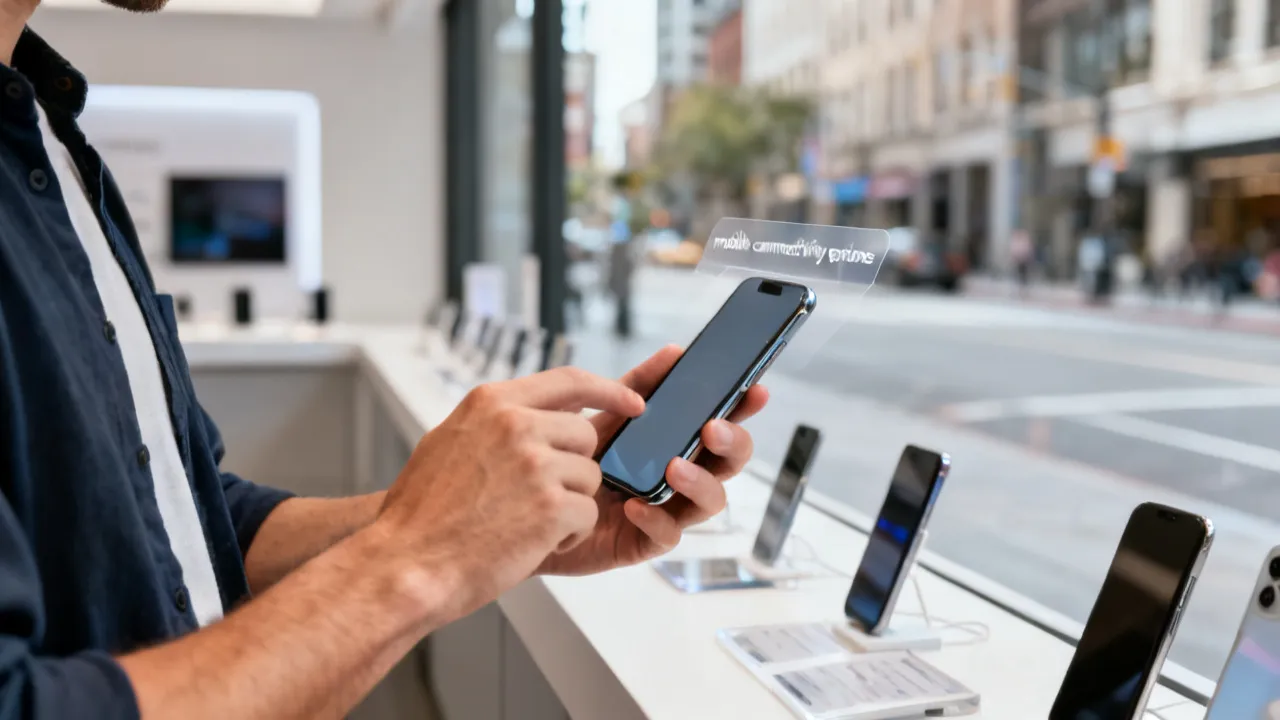
If you’ve been thinking, “I need a new phone,” and you’re also looking for reliable mobile service without straining your budget, government-supported wireless initiatives may be the very structured path to explore. In practice, these programs often pair device options (sometimes a smartphone, sometimes a bring-your-own-device approach) with service allowances such as talk, text, and limited data. Several providers operate under the same broad federal eligibility concepts, but their device availability, plan structure, and upgrade options can differ.
Below, you’ll find an expert-style, decision-oriented breakdown of well-known program providers and what to confirm before applying—so you can match your needs (calls, texts, and data use) with the right configuration. You’ll also see practical steps for avoiding delays, questions to ask when activation gets tricky, and realistic guidance for what “a new phone” can mean in different situations.
Government phone programs are not “one-size-fits-all.” They typically rely on two pillars:
From an industry perspective, the very common point of friction isn’t whether the program exists—it’s whether the applicant’s documentation is accepted smoothly and whether the requested device fits the provider’s available inventory. Even when eligibility is straightforward, a mismatch can happen if your desired device model isn’t in stock, if you’re directed to BYOD based on your category, or if your current handset doesn’t meet activation requirements.
To compare providers objectively, focus on three questions:
The table in the next section summarizes the official plan websites and the general services each provider commonly lists, along with the nature of additional charges (when applicable). Because plan terms can change by state and over time, treat the table as a structured starting point—not a guarantee of what you’ll see on the day you apply.
| Provider (Official Program Page) | Services Usually Included in Government-Supported Plans | Potential Additional Package Costs |
|---|---|---|
| SafeLink Wireless | Smartphone or BYOD options; talk and text; data allowance (varies by plan/state) | Upgrades to premium devices and/or additional data may cost extra |
| Assurance Wireless | Affordable Android smartphone (where available); unlimited talk and text; data allowances | Optional upgrades such as higher high-speed data or international calling may cost extra |
| StandUp Wireless | Smartphone or BYOD options; unlimited talk and text; data plans | Premium phone upgrades and/or extra data may be available for a fee |
| Access Wireless | Unlimited voice and text; limited high-speed data with eligible program benefits | Data boosts and device upgrades may incur fees |
| True Wireless | Government-supported phones (when available); voice and data plans | Optional upgrades to better devices or additional data plans may cost extra |
Source of table information:
SafeLink Wireless: https://www.safelinkwireless.com
Assurance Wireless: https://www.assurancewireless.com
StandUp Wireless: https://standupwireless.com/
Access Wireless: https://www.accesswireless.com
True Wireless: https://www.gotruewireless.com/
(All links above are used as the source for the table content.)
Very people who search for “I need a new phone” are trying to solve two issues at once: affordability and continuity of service. Government-supported programs aim to reduce barriers, but they still require proof. While each provider may use its own workflow, applicants generally confirm eligibility using income and/or enrollment in qualifying benefits.
It helps to think of eligibility like a gatekeeper: the wireless program is the “door,” but you still need a valid key. Providers may accept different types of keys depending on your situation—some rely heavily on participation in benefits programs, while others allow income-based documentation. When you understand which key you’re using before you apply, you can avoid the common delays caused by submitting the wrong document type.
Based on commonly described federal and provider-aligned criteria for these program categories:
Because eligibility definitions can shift, you should treat your provider’s “eligibility checker” and documentation checklist as the final authority. If you’re unsure whether your household qualifies, many providers offer a brief pre-screening process on their websites. If your results are unclear, contacting support before submitting can save time.
Providers may ask for documents that demonstrate either your income or your enrollment in qualifying assistance programs. Common examples (varies by provider and state) may include:
Practical preparation tips: use clear, legible copies; avoid cut-off pages; confirm that names and addresses match; and keep any reference numbers (case numbers, benefit IDs, or verification tokens) handy. Even small mismatches—such as a missing apartment number—can trigger a “needs review” status.
Application steps are typically designed to confirm eligibility and route you to a plan/device selection. While the exact order can vary by provider, a common workflow looks like this:
What to anticipate emotionally: the process can feel slow if you’re waiting for verification. A reliable approach is to treat the application like a timeline project. Create a checklist of what you’ve submitted, record when you submitted it, and confirm the contact method you’re using to receive status updates.
Government-supported wireless plans can be extremely useful, but not every plan fits every pattern of use. As an industry-practice recommendation, verify the following before accepting terms:
Also verify the “fine print” areas that often matter in daily life: whether Wi-Fi calling is supported, whether hotspot/tethering is allowed (and if so, under what conditions), and how international roaming or roaming behaviors are handled (if applicable). While many people focus only on talk, text, and data, these additional features can affect work and school activities.
From the perspective of mobile service procurement and consumer communications, the “top” provider is usually the one that reduces risk across your personal priorities. Consider these common decision pathways:
If your current phone is damaged, lost, or no longer supports necessary apps (banking, two-factor authentication, work messaging), prioritize providers that clearly describe a smartphone option. Still, confirm:
When speed is critical, your plan selection can matter. For example, if you require a device capable of receiving certain authentication messages, ensure the smartphone supports the necessary security updates and common app requirements. Not all low-cost smartphones handle heavy app usage equally, so think about your top five phone tasks—maps, email, banking apps, school platforms, job applications—and validate that the device class is realistic for those tasks.
When your existing handset is in good working condition, BYOD can reduce disruption. But it introduces compatibility risk. Before applying, ensure your phone’s network technology and frequency bands align with the provider’s supported activations. In practice, many users handle this by submitting the device for compatibility check during application.
Here’s a practical way to think about BYOD risk:
If you suspect your phone is locked or incompatible, verify before you submit. When possible, ask the provider how they determine compatibility and what the next step is if the check fails.
When people say “I need a new phone,” they often mean they need improved internet performance for maps, streaming, schoolwork, or job searches. Government-supported plans frequently include data allowances that may be sufficient for everyday use, but not always for high-bandwidth activities. If your routine includes frequent video calls or large uploads, you should:
One helpful tactic is to examine your last month of data usage from your current carrier (if you still have the phone active or can access your account history). If you know you use around 2–5 GB, you can choose a plan that provides high-speed data near your baseline. If you know you exceed 10–15 GB frequently, you might need to plan for boosts or prioritize a plan tier with more high-speed capacity.
Another tactic: optimize usage. You can reduce data pressure by using Wi-Fi for video streaming, enabling “data saver” modes on apps, and switching to lower-resolution settings for video during cellular-only times. If you’re trying to keep costs down, small behavioral adjustments can stretch your plan far beyond what you might expect.
Some plans include domestic calling and messaging with the core allowance. International calling and other features may appear as optional add-ons rather than included standard benefits. If you require these features, validate what’s included before you rely on them.
Also confirm the practical behavior of your calling features: voicemail availability, how to retrieve voicemail, whether call forwarding is supported, and whether text message delivery is reliable for alerts and one-time codes. For many households, the phone isn’t just a convenience—it’s a security tool. Two-factor authentication texts and account recovery codes must reliably reach you.
Several providers participate in federal support frameworks typically aligned with Lifeline and—depending on eligibility—ACP-linked affordability assistance. These programs generally support qualifying households with device and service options. The exact package depends on the provider, plan availability, and your eligibility category.
While the program “brand names” can vary, the underlying concept is similar: if you qualify, you may receive a reduction in monthly service costs, and some providers may offer a discounted or no-cost smartphone depending on availability. That’s why it’s smart to compare providers based on the specific device and data structure they show during the application process.
Not necessarily. Many providers offer a smartphone option when inventory is available, but some households may be directed toward a bring-your-own-device pathway depending on their situation and the program configuration.
It’s also possible to receive a phone that differs from what you expected. Government program devices often come in a limited range of models, and the specific device you receive might depend on what the provider has in stock. If your work requires certain app compatibility or you rely on accessibility features, check whether the provider describes the operating system type (for example, Android vs. iOS) and the general capability level of the model class.
Providers commonly require proof of eligibility through income documentation or participation in qualifying assistance programs. Accepted documents can vary by provider and state, so you should review the checklist on the official provider application page before submitting.
If you’re applying on a phone or tablet, make sure you can upload documents clearly. Some systems reject images that are too dark, cut off, or too low resolution. If you can, scan documents in good lighting or use a scanning app that captures crisp edges.
Timelines can vary based on verification method (automated verification vs. document review), the accuracy of submitted information, and provider workload. After applying, follow up using the provider’s status tools or contact channels if timelines exceed expectations.
To reduce uncertainty, create a “waiting checklist”: confirm you submitted the correct phone number/email for updates, ensure you can receive messages, and save screenshots of your application confirmation page. If you don’t receive any status updates, contact support with your application reference number (if provided).
The core government-supported service is eligibility-based; however, optional upgrades may involve additional charges. Examples can include premium device upgrades, higher data tiers, data boosts, or extra features like international calling.
It’s important to distinguish between “standard program service” and “add-on” products. Some customers assume every upgrade is included, then later see charges. If your provider offers multiple upgrade paths, ask which ones are optional and whether they are one-time or recurring.
In many mobile transitions, number portability may be possible, but it depends on carrier rules and the specific activation process. Confirm during the activation steps and ask the provider to clarify how porting works for your situation.
When you port a number, there’s a practical consideration: you might experience a short window where messaging or calls may be delayed. Plan around that by keeping access to any old voicemail method and by being reachable through alternative communication (like email) if possible.
After activation, verify that your device has a working connection, that talk/text services function correctly, and that your data allowance and any high-speed limits match what you expected. Also confirm that any required updates to settings are completed (for example, APN or software updates).
A smart “first-day checklist” can prevent stress later:
Service availability and plan details can vary by state and coverage area. Some providers explicitly note that data allowance details can vary by plan/state. If you’re in an area with uneven coverage, consider checking carrier coverage maps or asking the provider about expected network performance.
Even within the same city, coverage can fluctuate—especially indoors, near certain building materials, or in rural edges of coverage zones. If possible, test service performance quickly after activation—make a call and try data in the places you spend the most time (home, work, school, clinic).
Activation issues are among the most common practical problems for customers—especially with BYOD. If you can’t activate, use a structured approach rather than waiting endlessly.
If you keep records of the steps you’ve taken, customer service can troubleshoot faster. This can reduce the “back-and-forth” that happens when a support agent asks you to redo steps you already completed.
Many people compare government wireless plans based only on the headline “unlimited” phrase. While that matters, expert comparison goes deeper. Here are the factors that usually matter most over a month of real usage:
When comparing providers, you can also ask yourself: “If my phone is stolen or damaged again, is it easy to replace?” Some programs have device replacement pathways; others rely on new device orders. Understanding replacement complexity can influence which provider is safest for you.
Sometimes approval comes quickly, but shipping and fulfillment can take longer. If your program includes a phone device, delivery timing becomes part of your plan.
If your device doesn’t arrive as expected:
For time-sensitive needs (job interviews, school forms, medical calls), consider having a temporary plan for two-factor codes and emergency communication. If the new phone hasn’t arrived yet, make sure you can still receive critical authentication messages via any remaining devices or email alternatives.
A “new phone” isn’t just about receiving hardware—it’s also about setting up the phone so that your communication is stable and secure. When you install apps and log in, you can reduce the risk of being locked out of accounts or losing access to important verification codes.
Key day-one habits:
If you rely on the phone for medical portals or banking, do your initial setup when you’re less rushed. Many activation problems are quickly resolved, but account access and authentication delays can feel more complicated if you’re trying to do it while the service is still stabilizing.
People often ask, “Will I have enough data?” The best answer depends on what you do online. Government wireless plans sometimes provide limited high-speed data, then reduce speeds afterward. However, “limited” can still be workable for many tasks.
Here’s a realistic way to think about common usage patterns:
If your plan uses throttling after a high-speed limit, you might still be able to browse and text effectively, but video and large downloads might slow down. That’s why it’s smart to choose your plan based on your real “must-do” tasks rather than your total curiosity about the internet.
For some people, the phone isn’t only for personal communication; it’s also the primary internet source for a child’s school assignment, job searching, or accessing online forms. In those cases, hotspot ability becomes a major deciding factor.
Before you pick a plan or a device, verify:
If hotspot is not allowed or is heavily limited, your plan may still work for calls and texts but may not serve as an at-home internet replacement. Knowing that up front can prevent frustration later.
Some government-supported wireless programs offer upgrades to better phones or higher tiers. Upgrades can sometimes cost extra, and the “extra” can appear as one-time charges or as monthly charges depending on provider policy.
When considering upgrades, ask yourself:
Expert consumer advice: treat upgrades as optional product decisions, not as default inclusions. If the upgrade is presented during checkout or activation, confirm the price and recurrence terms before you finalize.
If you prefer using your current phone, run through a compatibility checklist to reduce activation frustration:
Even if a phone “looks” compatible, hidden issues can still cause activation failures. If possible, try activation during a time when you can troubleshoot. Avoid doing the activation immediately before critical events when you won’t have time to call support.
Some program applicants are eligible, approved, and still end up feeling stuck because activation fails or because settings are wrong. Customer support is where many problems get resolved—or where time gets wasted.
When evaluating a provider, look for support indicators such as:
One practical strategy: document your activation issue. Write down the time it happened, the error message, and what steps you tried. If you can keep screenshots or a note log, you’ll speed up troubleshooting.
Wireless connectivity is often treated as a “utility” because it supports essential tasks—job searching, healthcare access, school communication, and staying reachable for family and emergency coordination. In that context, government-supported plans can be practical because they reduce upfront costs and structure eligibility around widely used assistance programs.
That said, providers may manage device inventories and plan configurations over time. Therefore, the very reliable approach is to verify the current offering and requirements on the provider’s official site during your application window. If you’re planning a time-sensitive application, check the provider’s status messaging for any known delays or inventory updates.
Another industry point that matters: wireless service is not just a contract—it’s a functioning system of towers, backend provisioning systems, SIM/device compatibility layers, and account management. When you understand the system as a set of steps, you become less vulnerable to surprise. You know that eligibility verification happens first, then provisioning happens next, then activation and configuration happen after.
Most applications go smoothly when the documentation and device compatibility are correct. But several edge cases commonly create confusion.
Consider these scenarios and how you might respond:
That can happen. Device inventory may determine what you receive. If your priority is a specific capability (for example, storage space for required apps), ask what device options are available during your application. If the device set is limited, consider whether BYOD is a better fit or whether you can choose a different device model within the program’s available list.
Some programs can provide faster shipment depending on inventory, but delivery timelines are not guaranteed. If your phone is broken and you need urgent connectivity, prioritize backup access: arrange alternative communications, and begin the application as soon as possible so you can activate quickly once approved.
Often yes. Many applicants use a BYOD option if they already own a compatible phone. The key is compatibility and network activation rules. If your current phone is not compatible or is locked, the program might require a different path—often the provider would guide you toward a supported device.
Start by confirming your email and phone number in the application form. Also check spam or blocked messages. If you’re waiting for approval updates and nothing arrives, use the provider’s status tools and contact support with your application reference number.
For job searching and school login tasks, the most critical things are reliable talk/text delivery (especially for authentication codes) and sufficient data speeds for the platforms you use. If your work or school requires uploading documents or video calls, confirm whether hotspot is available and whether you can sustain high-speed data for those tasks. If your plan is limited after a threshold, you may want to schedule heavy data tasks when you can use Wi-Fi.
If you’re searching for “I need a new phone,” government-supported wireless programs can provide a clear framework for getting service and possibly a smartphone—provided you meet eligibility requirements and complete the application correctly. The very effective next step is to choose a provider whose described plan structure aligns with your daily usage: talk and text needs, data allowance expectations, and whether you prefer a smartphone or BYOD.
Start by reviewing the official program pages listed above, then prepare your documentation for eligibility verification. With the right setup, you can minimize delays and move toward stable connectivity.
To make the outcome more reliable, keep your expectations realistic: “new phone” depends on inventory and your chosen pathway, while “affordable service” depends on plan terms and how your data needs match the package structure. When you align those factors before applying, your chances of a smooth experience improve substantially.
1) The above information comes from online resources, and the data is as of October 2023.
2) This website cannot guarantee that applicants will definitely get a government affordable phone. For specific application requirements and how to obtain it, please refer to the official requirements of the provider. This website will not be updated in real time.
Striking the Perfect Balance: Navigating Premiums and Out-of-Pocket Expenses in Senior Insurance Plans

Explore the Tranquil Bliss of Idyllic Rural Retreats

How to Make Lasting Memories at Disneyland Attractions

Affordable Phones and Plans for Seniors

Affordable Full Mouth Dental Implants Near You

Unlock the Top Kept Secrets to Finding Your Ideal Dentist for Flawless Dental Implant Results!

Discovering Springdale Estates

Unveiling RS Sul Telecom Services

The Guide to Car Trading

Affordable Phones and Plans for Seniors
Discover the top deals on new phones and plans tailored for seniors, including discounts on 5G technology and unsold models.
Affordable Cell Phones Without Plans
Discover affordable cell phones for sale without plans, exclusive discounts for seniors, and tailored mobile plan options in your area.

Navigating Government Phone Programs
This guide provides an expert analysis of government-supported phone programs for eligible individuals, offering insights into available providers and their services. Affordable phones are often a necessity for individuals under economic constraints, aiding in communication, job searches, and access to emergency services. The article delves into eligibility criteria, application processes, and compares popular service providers in various regions.
Unlocking the Top Cell Phone Deals
Discover unbeatable cell phone discounts, plans, and offers for seniors and iPhone enthusiasts without contracts.
Navigating Affordable Phone Offers
Discover the essential details about government-assisted phone programs aimed at providing budget-friendly devices to eligible individuals. These programs offer complementary mobile phones and services to qualified beneficiaries, ensuring connectivity at minimal expense. This guide breaks down how to access such benefits and what conditions apply.
How to Apply for a Affordable Phone
This guide provides insights on how to apply for a affordable phone through government-sponsored programs. Understanding how these programs operate and their eligibility requirements is essential. These initiatives aim to support individuals in low-income households or those enrolled in specified government assistance programs by providing basic communication tools.
