If you need a new phone, this guide explains how government-supported wireless programs can help you get affordable service and sometimes a device. It reviews major providers, eligibility pathways, and practical steps to apply, using objective criteria and a clear comparison of plan components—voice, text, and data allowances—so you can choose confidently based on documentation and coverage needs.
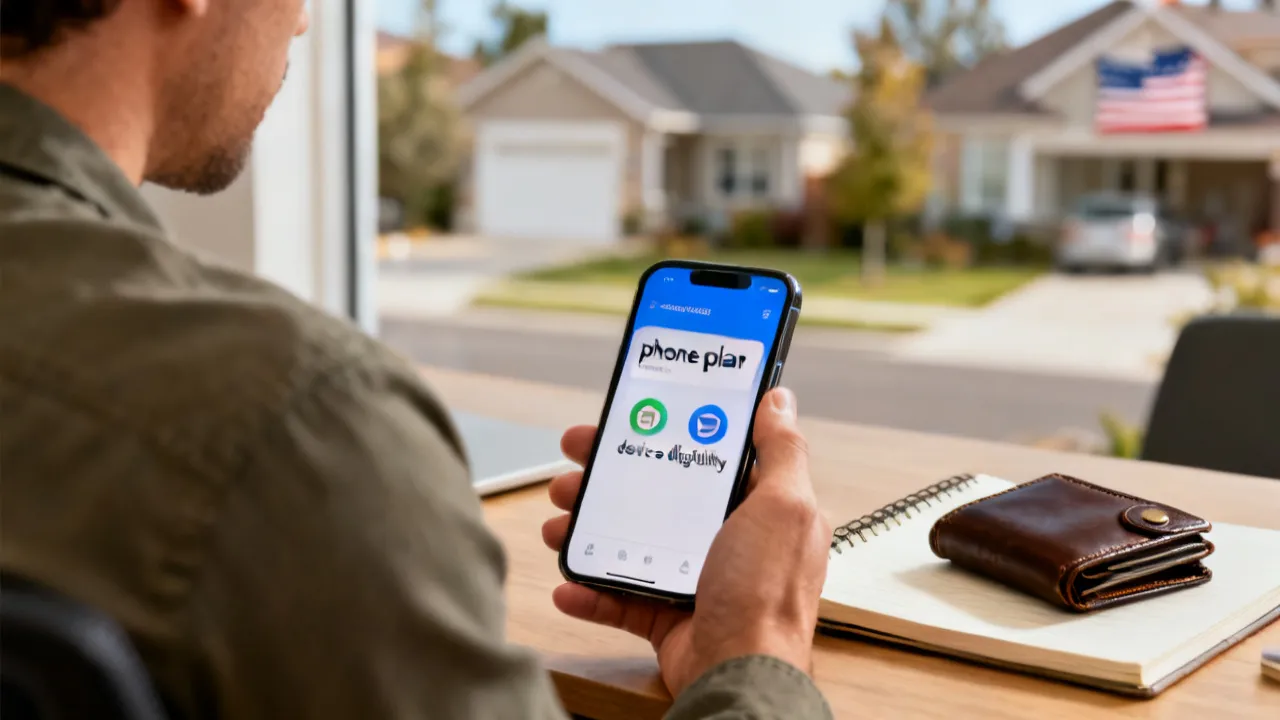
If you’re searching for I Need a New Phone support, the very practical starting point is to understand how government-assisted wireless programs typically work: eligible households may receive an affordable service plan, and in some cases, a smartphone device bundled with the plan. Because program structures vary by provider and state, your next action should be twofold—confirm eligibility, then match the plan’s voice/text/data terms to your day-to-day needs.
From an industry perspective, the core value of these programs is not “one universal phone offer,” but a structured pathway: (1) eligibility verification based on qualifying criteria, (2) selection of a compatible plan or device tier, and (3) ongoing compliance with program rules. If you proceed methodically, you reduce the risk of delays or denial due to missing documentation.
Think of the process as two connected tracks that must both go well: the eligibility track and the service fit track. People often focus on the device first (“I need a phone now”), but approvals and long-term satisfaction depend on eligibility documentation and plan terms. A smooth application is half paperwork, half planning.
Also, keep realistic expectations. Government-supported wireless programs are designed to deliver essential connectivity rather than premium upgrades at no cost. The best approach is to identify what “essential connectivity” means for your household—how much data you truly need, where you need it (home, commute, school), and whether a provider-selected smartphone will meet your preferences (camera quality, storage space, ability to run certain apps, and durability).
Very government-supported wireless offerings are designed around essential connectivity: unlimited talk and text and data allowances (often limited high-speed data that may slow after a threshold). Some programs may include a device upgrade pathway, while others emphasize bring-your-own-device (BYOD) support. Optional add-ons—such as extra high-speed data or international calling—may be offered for additional cost.
For decision-making, treat “device availability” and “service terms” as separate variables. A program might satisfy your service requirements but provide a different device model than you expected. Conversely, a device offer might be available, yet your top option may still be a particular plan tier based on your usage pattern.
In practice, you’ll often see three categories of outcomes:
What these programs typically do not guarantee is a specific brand or model, a specific storage size, the newest phone generation, unlimited high-speed data at all times, or premium network features. That doesn’t mean the service is inadequate—many households find it life-changing—but it means you should confirm plan terms and device specifications before you assume a perfect match.
If you’re writing “I need a new phone” because your current one is broken, you may have less flexibility. Still, you should confirm whether the offered phone supports the apps you rely on—especially banking apps, job portals, school/learning platforms, rideshare, and any phone-based identity apps you use. Even when the phone model is “good enough,” the network type and the software version (Android/iOS, security updates) can affect app compatibility.
When your goal is to replace a damaged or aging handset, use this checklist to prioritize:
To go one step further, you should also think about usage behavior. Two people can have the same data allowance but experience very different results depending on what they do online. For example:
When selecting a plan, it helps to identify the “top two” data tasks you cannot do without. Then, validate whether those tasks will perform well within the data structure. This is especially important if your household uses one phone as a hotspot substitute (even though hotspot features may be limited or unavailable depending on the plan).
The table below summarizes the official provider destinations and the typical inclusions of their government-supported wireless plans. Note that “additional package costs” refers to commonly available optional upgrades or paid add-ons that may apply depending on your selections.
| Provider (Official Program Destination) | Services Included in Government-Supported Plans | Potential Additional Package Costs |
|---|---|---|
| SafeLink Wireless | Unlimited text and calls; data allowances vary by plan/state; may offer a affordable smartphone or BYOD activation options | Premium device upgrades and additional data options may require payment |
| Assurance Wireless | Typically includes an Android smartphone option; unlimited talk and text; data allowances included per plan | Optional upgrades such as higher high-speed data or international calling services may add cost |
| StandUp Wireless | Affordable smartphone or BYOD options; unlimited talk and text; data plans included | Premium phone upgrades and extra data may be available for a fee |
| Access Wireless | Unlimited voice and text; limited high-speed data as part of eligible benefits | Data boosts and device upgrades may involve additional fees |
| True Wireless | Government-supported phones; voice and data plans included for qualifying applicants | Better device tiers and additional data plans may incur optional costs |
source: www.safelinkwireless.com | www.assurancewireless.com | standupwireless.com | www.accesswireless.com | www.gotruewireless.com
Source note: The table content is based on publicly stated program descriptions from the listed provider websites.
Even with the table, you should treat your personal check as mandatory: plan inclusions and speeds can change as providers update tiers, and what’s available in one area may differ from another. If your plan includes “limited high-speed data,” ask yourself: what activities do you need high-speed for, and what happens when you reach the limit?
Also, if you’re considering device options, remember that “smartphone” can mean many different things. A device can have the basics but still lack features you need—like enough internal storage for your apps, a camera quality required for document scans, or the ability to run certain corporate or educational security software. You may not be able to choose any model you want, but you can still confirm compatibility needs.
Eligibility rules are frequently tied to household income thresholds or enrollment in recognized assistance programs. In the context of I Need a New Phone, the key is to gather documents before you begin, because many providers require uploaded proof or verification steps.
Below is a rephrased, consolidated view of common requirements across providers offering Lifeline and ACP-aligned benefits.
Before diving into documents, it helps to understand what verification is trying to prevent. These programs are designed for households that qualify, and verification helps ensure that only eligible participants receive benefits. That means even a small mismatch—like an address formatting difference, a name spelling variation, or a document that’s too old—can cause the application to pause.
Many applicants can avoid delays by preparing “verification-ready” documents: legible scans, clear photos, correct names and addresses, and the right document types. If you’ve recently moved, address verification can be especially tricky, so plan for extra time.
Expert insight: Even when you believe you qualify, the “failure point” is often the mismatch between documents and what the provider or verifier can accept. For instance, expired letters, incomplete IDs, or unsupported document formats can create avoidable delays.
It’s also helpful to clarify what “household” means for these programs. In many cases, it can include you and dependents you support. Verification systems may count household members differently depending on the program. If you’re not sure, gather information from the provider support channel before you submit, because corrections after submission can slow everything down.
If you’re applying on behalf of another person—such as a child, elder, or someone in your care—make sure you have proper authorization and that the identity documents you upload are correct. For some households, the primary applicant must be the person who receives the phone and the service. Others allow caregiving arrangements, but the documentation should reflect the proper roles.
Application workflows can differ slightly between providers, but the major stages are typically consistent. Here’s a provider-agnostic process that works well in practice:
To make the process easier, you can treat it like a checklist you complete in one sitting—especially the documentation stage. Before you start the online application, set aside time to scan or photograph your documents and ensure your device camera is clear enough to capture all required details.
If your online application allows you to save progress, use that feature. Completing everything in one sitting helps reduce the risk of forgetting a step. But if you cannot complete in one sitting, be careful to return to the same account so you don’t create duplicate applications.
While the exact workflow varies, the following patterns are frequently seen:
One recurring pattern across providers is that verification can happen through multiple stages. Some providers verify automatically when documents are accepted quickly. Others route you through a national verification workflow or request additional documentation if anything doesn’t match. Your job is to respond quickly when asked—delays often occur not because eligibility isn’t met, but because follow-up messages aren’t seen or answered.
Also remember that some providers require you to maintain updated account contact information. If you change your phone number, email, or mailing address, you may miss messages. When you’re actively applying, check your email and spam folder regularly. If the provider uses a web portal, check it frequently too.
If you need I Need a New Phone quickly—perhaps because your current device no longer connects reliably—consider these risk-reduction practices:
Here are additional, practical habits that can help. These are “small but powerful” adjustments that reduce friction:
If your application is delayed, it’s useful to ask: are they waiting on document verification, identity verification, or plan selection? The provider support team can often tell you whether your request is pending verification versus waiting for you to complete an action.
For BYOD applicants, delays can also happen if the phone is not “eligible” on the network. Before applying, confirm your device is not locked to a different carrier that won’t allow activation. If you don’t know, you can try contacting your current carrier or check your phone’s network lock status. Even a “works in my area” phone might fail activation if it doesn’t support required network bands.
As a telecom-industry observation, device offers can look similar on the surface—smartphones with messaging and browsing capabilities—but the lived experience depends on plan configuration. Key variables include:
Therefore, when your prompt is “I need a new phone,” treat the decision as a package: device plus the service terms that enable it.
To bring this into everyday language: you might receive a new smartphone but still feel disappointed if the data speed is too low for what you need, if the network coverage is poor where you live, or if the data allowance doesn’t last through your billing period.
Another factor is customer support and self-service. When you activate, you may need help with porting a number (moving your current phone number). Some providers have online steps; others require customer service assistance. If you rely on your number for job applications, school communications, or medical contacts, plan for this porting step early.
Porting issues sometimes cause temporary loss of calling or texting. In many cases, it’s fixable, but it adds stress when you’re already dealing with a broken device. That’s why it helps to activate and test quickly after approval. If your current phone is still partially functional, you can keep it active until the porting process is complete.
Start by verifying which eligibility pathway applies to you (income or assistance-program enrollment). Then gather documents and apply through the provider’s official website. After approval, review the specific talk/text/data terms and confirm whether a smartphone or BYOD option top fits your needs.
Additionally, if your current phone is not working at all, try to still access email or the online portal from another device (a tablet, a library computer, or a family member’s phone). Many follow-up requests happen through email or online notifications, and you’ll want to respond quickly.
No. Very programs provide a smartphone option if you qualify, but the exact model and device tier can depend on provider inventory, plan selection, and availability in your area. The safest approach is to confirm the service terms first, then consider device details.
If a specific brand or feature is critical—like needing an eSIM, a certain messaging app behavior, or specific app compatibility—ask the provider during the selection stage (if the website allows questions) or check if the program lists “device specs.” Some programs may show a device tier or example models rather than a guaranteed exact phone.
Not necessarily. Many government-supported plans include unlimited voice and text, while data may include limited high-speed allowances with possible slowdowns after thresholds. Always check the current plan description during application or plan selection.
Also remember that “unlimited” often means unlimited ability to connect, not unlimited high-speed performance. If you depend on consistent high-speed data, consider whether optional data boosts are available and whether they fit within your budget.
Often, yes. Providers frequently offer BYOD (bring-your-own-device) activation pathways for eligible applicants. However, device compatibility requirements still apply, including network compatibility and required provisioning formats.
Before choosing BYOD, check three things: (1) whether the phone is unlocked, (2) whether it supports the provider’s network and required bands, and (3) whether the phone’s software is up to date enough to handle activation. Some phones that are “unlocked” may still lack compatibility if they’re missing required network features.
While the exact list varies, applications commonly require proof of identity, address, and eligibility basis (such as participation in programs like SNAP or Medicaid or income-based documentation). Upload quality and recency matter—using outdated documents is a common reason for delays.
If you’re using program-based eligibility, the most important document is often proof of active enrollment in a recognized program. If you’re using income-based eligibility, the documentation might require pay stubs, benefit letters, or other proof of household income. Whatever you upload, make sure dates and names are visible.
Timelines depend on verification steps and document review. Some applicants complete verification quickly; others may need follow-up. For time-sensitive needs, begin the process early and monitor your email or account for requests.
When you need a phone urgently, you can reduce uncertainty by keeping a simple timeline. Note the date you submitted your application, the date you uploaded documents, and the date you received any email confirmation. If delays happen, you can use that timeline when contacting support.
Some program-related options include optional upgrades (such as premium devices, international calling, or additional data boosts). Standard service terms linked to eligibility are typically the baseline, while add-ons may carry fees depending on the provider and what you choose.
To avoid surprise costs, look for plan add-ons during checkout or activation. If a device upgrade is presented, confirm whether it is included or requires payment. If you don’t see clear pricing, contact support before proceeding.
Common next steps include reviewing why verification failed (if provided), correcting document issues, and reapplying if you meet eligibility requirements. You can also contact the provider’s support for guidance on acceptable documentation.
Denial doesn’t always mean you’re ineligible—it can mean the submitted proof didn’t meet the verification standard. If you receive a reason code or explanation, treat it like instructions. Gather the correct version of the document and reapply when appropriate.
To help you decide quickly, here are three common scenarios:
Choose the provider path that supports a smartphone offer, then verify the plan’s data structure. Confirm whether upgrades are optional (and paid) so you avoid surprises.
When your phone is broken, you may also need to preserve your ability to receive codes or notifications used for security. Many online accounts use SMS for verification. Before you lose service entirely, consider saving backup codes for major services (email, banking, school portals) if possible. If you still have access to your email, you may be able to switch verification methods temporarily.
Once you receive the new device, install updates if possible and confirm you can receive texts. Then test calling. Finally, check data by opening maps, loading a webpage, and verifying app connectivity. If any services fail, you can usually fix them by ensuring the phone is provisioned correctly, resetting network settings, or contacting support.
Consider BYOD activation. Your priority becomes matching plan inclusions—especially data allowance patterns—with your usage, rather than chasing a specific handset model.
This scenario is often the best opportunity to optimize. If your phone is still functional, BYOD can reduce the stress of transferring data to a new device. You can also retain your existing accessories, phone case, and preferred setup.
However, BYOD still requires compatibility. Before you submit, confirm that your device can be activated on the provider network. If activation fails, you may need to switch to a bundled phone option, which can take additional time.
Also consider that your old plan may support features you used frequently—like voicemail behavior, Wi-Fi calling preferences, or certain messaging formats. After switching to a new plan, you may notice differences in voicemail and messaging notifications. Those differences are usually manageable, but it helps to know that a plan change can affect your day-to-day experience.
Focus on data allowance and speed behavior. Even with unlimited talk/text, data can be the limiting factor for app performance. Validate coverage in your home and commute areas once activated.
For school or work, reliability includes more than data speed. It includes the ability to receive messages reliably, to join video meetings, and to load documents quickly. If your job uses authentication apps that require internet access, you want a plan that works consistently.
To prepare, you might want to test immediately after activation:
If video meetings are essential, remember that many plans can support video but not always at “always smooth” quality if you have limited high-speed data. You can sometimes improve video performance by reducing streaming quality, scheduling downloads when Wi-Fi is available, or using audio-only mode when bandwidth is limited.
For the sources of plan and application descriptions used in this article, consult the official provider websites:
https://www.safelinkwireless.com
https://www.assurancewireless.com
https://standupwireless.com/
https://www.accesswireless.com
https://www.gotruewireless.com/
1) The above information comes from online resources, and the data is as of October 2023.
2) This website cannot guarantee that applicants will definitely get a government affordable phone. For specific application requirements and how to obtain it, please refer to the official requirements of the provider. This website will not be updated in real time.
Striking the Perfect Balance: Navigating Premiums and Out-of-Pocket Expenses in Senior Insurance Plans

Explore the Tranquil Bliss of Idyllic Rural Retreats

How to Make Lasting Memories at Disneyland Attractions

Affordable Phones and Plans for Seniors

Affordable Full Mouth Dental Implants Near You

Unlock the Top Kept Secrets to Finding Your Ideal Dentist for Flawless Dental Implant Results!

Discovering Springdale Estates

Unveiling RS Sul Telecom Services

The Guide to Car Trading

Affordable Phones and Plans for Seniors
Discover the top deals on new phones and plans tailored for seniors, including discounts on 5G technology and unsold models.
Affordable Cell Phones Without Plans
Discover affordable cell phones for sale without plans, exclusive discounts for seniors, and tailored mobile plan options in your area.

Navigating Government Phone Programs
This guide provides an expert analysis of government-supported phone programs for eligible individuals, offering insights into available providers and their services. Affordable phones are often a necessity for individuals under economic constraints, aiding in communication, job searches, and access to emergency services. The article delves into eligibility criteria, application processes, and compares popular service providers in various regions.
Unlocking the Top Cell Phone Deals
Discover unbeatable cell phone discounts, plans, and offers for seniors and iPhone enthusiasts without contracts.
Navigating Affordable Phone Offers
Discover the essential details about government-assisted phone programs aimed at providing budget-friendly devices to eligible individuals. These programs offer complementary mobile phones and services to qualified beneficiaries, ensuring connectivity at minimal expense. This guide breaks down how to access such benefits and what conditions apply.
How to Apply for a Affordable Phone
This guide provides insights on how to apply for a affordable phone through government-sponsored programs. Understanding how these programs operate and their eligibility requirements is essential. These initiatives aim to support individuals in low-income households or those enrolled in specified government assistance programs by providing basic communication tools.
