The Chevy Silverado Manteca Edition guide helps you evaluate pricing, supplier options, and real-world fit before you buy. Background context explains how limited trims, regional dealer inventories, and accessory packages influence total cost of ownership. The article also offers a comparison table, requirements checklist, and FAQs to support confident decision-making—without relying on hype.
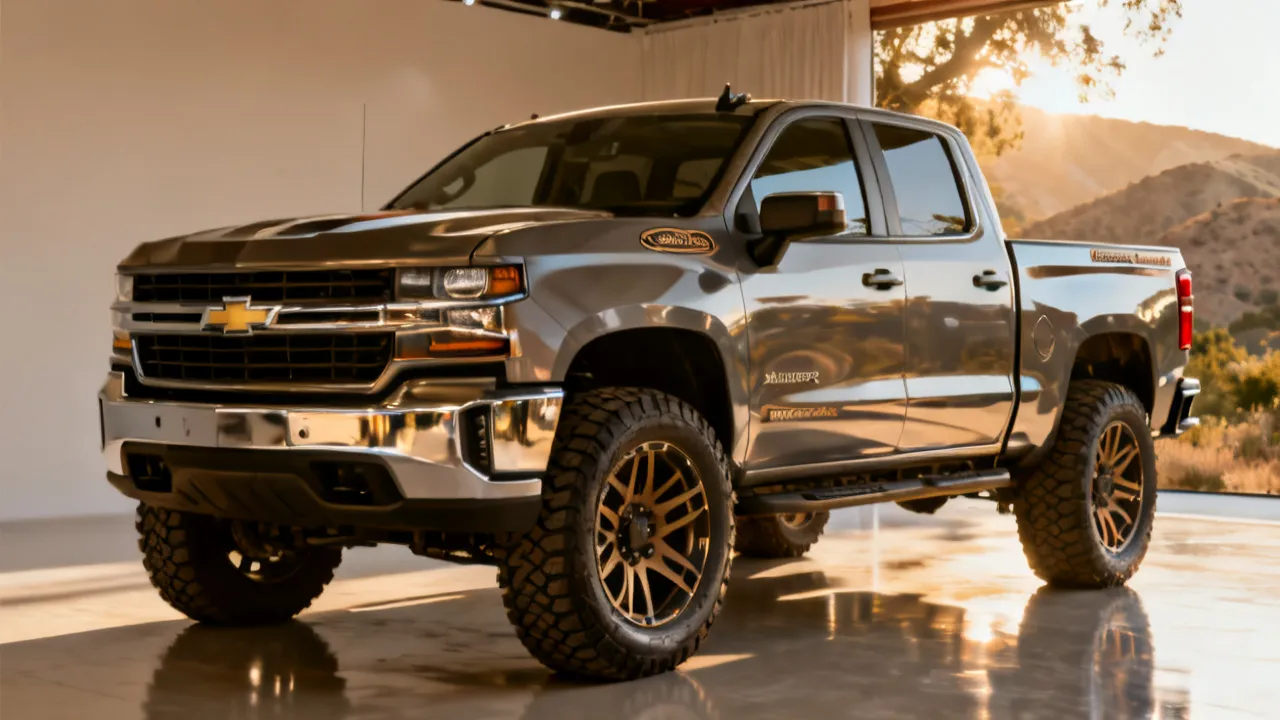
If you’re considering the Chevy Silverado Manteca Edition, one of the most important steps is to evaluate the truck as a complete package rather than treating it like a single product with one fixed meaning. “Edition” models typically sound simple—like they’re just a special trim level—but in real-world buying, the edition name can mask a wide range of equipment differences across model years, factory build choices, and dealer add-ons. That means the price you see online may not tell you the full story about what you’re actually getting, what you’re paying for, and what you’ll likely spend later on maintenance, tires, insurance, and potential reconditioning.
So, start by judging the truck in a layered way: trim and content, included equipment, tire/wheel setup, drivetrain details, key convenience features, warranty implications, and the way the financing structure affects your total cost. Many buyers make the mistake of focusing on the sticker number or the “headline” monthly payment. Those numbers can hide add-ons and difference in coverage terms. Edition trims often bundle styling, wheels, and convenience tech in ways that can change your real outlay at the moment you sign—and again when you service, insure, or replace wearable parts.
From an industry perspective, buyers frequently overvalue “looks” and undervalue “specs you actually use.” That includes payload capability, braking hardware (including whether it’s upgraded for certain packages), tire type (all-terrain vs. highway vs. winter-focused tires), drivetrain configuration, and whether add-ons are truly factory-installed or dealer-installed after the fact. Those differences don’t just change how the truck feels on day one—they can influence warranty coverage consistency, resale value comparability, and long-term maintenance intervals.
Because your prompt references the Chevy Silverado Manteca Edition specifically, keep in mind that an edition approach can vary. Sometimes the edition package is built around an aesthetic theme and a curated set of convenience features. Other times, it may include hardware changes or wheel/tire changes that have meaningful effects. Even if two trucks share the same edition name, their underlying configurations can be different enough that one is far better for towing or for winter use than the other. That’s why “edition” should trigger a verification mindset: confirm the exact configuration, confirm the parts are what the listing claims, and confirm whether anything was installed outside the factory line.
Edition trims—like the Chevy Silverado Manteca Edition—are typically designed to deliver a cohesive look and a curated set of options. The purpose is not only visual branding; it’s also a merchandising strategy. Dealerships and manufacturers can package features to simplify choices for customers, while also improving inventory turnover. In many markets, these trims are assembled through a combination of factory equipment and structured dealer accessory offerings. That’s why two vehicles that “look similar” can cost differently over time.
When comparing inventory, prioritize the following verification points rather than relying on photos, stock numbers, or the idea that an edition package is standardized:
The “edition” premium (the extra money above the base trim) is only worth it if it aligns with your priorities. If the edition includes features you would have wanted anyway, and those features are installed and supported cleanly under warranty, then the premium may be justified. If it includes items you won’t use—or if it includes tires or accessories that create extra cost later—then it may not be a good deal even if the price seems competitive at first glance.
It’s also important to understand buyer psychology. Many shoppers see edition trucks as “special” and assume they carry better resale value. But resale value often depends on actual equipment and market demand, not on the edition badge alone. Buyers in the used market tend to search for specific combinations: heated seats, advanced driver assistance, towing packages, certain wheels, or higher output engines. If your edition package bundles those popular items, you may do well. If it bundles less desirable items, you may have a harder time later.
Pricing for the Chevy Silverado Manteca Edition varies depending on market demand, model year, mileage (for used units), drivetrain configuration, and the exact option list. Because your request didn’t include a specific numeric price, the best professional approach is to evaluate affordability using total out-the-door (OTD) cost rather than sticker price alone. OTD typically accounts for the components that actually make the truck expensive or affordable in your real-world budget.
Out-the-door pricing usually includes:
When evaluating an edition truck, treat any add-on bundles as part of the real deal. It’s common for edition models to be paired with “curated” add-ons such as protection packages (paint/seat), wheel locks, bed liners, or convenience accessory bundles. Some of those may be genuinely useful. Others may be overpriced relative to what you could buy later or what the dealer could install at a lower margin. The key is to separate what’s bundled from what’s optional.
As a rule, an “edition” truck can be a strong deal when its option content reduces the need to purchase add-ons separately. But if the edition is paired with costly dealer-installed accessories, you should treat the price as negotiable and request a line-item breakdown. A fair negotiation isn’t only about bringing the price down; it’s about ensuring you aren’t paying premium markups for items you don’t need.
Professional caution: Avoid assuming that a listed edition price is “fair” without comparing equivalent configurations across multiple listings. Used-vehicle and inventory pricing can differ due to regional availability, trim-level blending, wheel/tire differences, and demand cycles. Even a subtle difference in tires can swing both the value and the future cost. Industry data and valuation tools (such as those referenced in broader market reporting) emphasize that regional and configuration differences matter. For reference, Cox Automotive’s analyses and Manheim-related market reporting are often used as a lens for understanding market valuation changes and how supply/demand impacts used inventory pricing (see: Cox Automotive Vehicle Market Insights / Manheim Market Report).
In other words, don’t “anchor” yourself to a single listing. Anchor yourself to a comparable configuration and a comparable OTD cost. If one listing looks cheaper but includes different tires, fewer warranty-covered features, or a less desirable drivetrain pairing, it may become more expensive long-term.
The source route you choose for a Chevy Silverado Manteca Edition influences both the speed of delivery and the quality of documentation. In practice, you’ll typically see three common paths. The right path is the one that can provide verifiable build content and warranty clarity.
From an industry standpoint, the safest supplier is the one that provides complete build sheets (or a detailed equipment list), clearly states whether accessories are factory-installed, and offers warranty terms in writing. This matters because warranties can be affected by installation method and by whether components are installed with manufacturer-approved parts and procedures.
If you’re buying used, source selection matters even more. You want documentation that supports the truck’s claims: tire type and age, service intervals, brake wear history, and whether the vehicle was used for the purpose it was advertised for (towing, hauling, off-road, commuting, etc.). If a seller can’t provide service records or can’t explain what changed and when, you’re assuming risk.
Also consider practical delivery realities. If a dealer is a “direct” supplier for new builds, it may be easier to confirm build content. If the truck is a dealer stock unit with modifications, documentation quality varies. Therefore, ask not only for the equipment list but also for how the edition package was assembled. If it involved dealer-installed steps, ensure you get receipts or a documented list of parts and labor costs so you can evaluate value and warranty support.
Finally, if you plan to keep the Silverado long term, consider that your service experience will depend on dealer relationships. Buying from a dealer that supports your location and has a strong service department can reduce time and stress when issues arise, even if the original purchase price is slightly higher.
Edition styling often captures attention, but day-to-day satisfaction usually comes from fundamentals: ride, handling, braking feel, tire performance, and capability under real loads. A Silverado can be a great daily driver and a reliable work truck, but only if the configuration matches your routine.
Ride and handling: wheel diameter and tire profile can noticeably change ride comfort. Larger wheels often mean lower-profile tires, which can transmit more road texture into the cabin. That might be fine if your roads are smooth and you prioritize a sportier feel. But if you commute on uneven pavement or frequently drive through pothole-heavy areas, you may experience more vibration, more noise, and faster tire wear. Ask the dealer or seller to confirm the tire brand and model if possible, and to discuss what kind of road noise you can expect.
Braking and safety systems: verify what’s included in the brake package and driver-assistance suite for your exact configuration. Not every Silverado package includes the same hardware improvements. Some editions bundle safety tech, while others may focus on appearance. Confirm that you have the assistance features you want (adaptive cruise, lane assistance, automated emergency braking, blind-spot monitoring, and so on) and that the system includes the sensors and software features expected. During a test drive, evaluate how the system behaves in stop-and-go traffic and at highway speeds.
Payload and towing expectations: the Silverado platform is widely used for work and recreation. However, the “right” engine and axle ratio determine what you can carry and tow safely and legally. Even when two trucks look identical, differences in engine output, axle ratio, cooling package, and suspension can affect towing capacity and payload. The edition trim name itself doesn’t guarantee better towing. Always ask for the official spec sheet for the specific vehicle you’re buying (VIN-specific if possible). In many cases, towing capability is tied to configuration details that are not obvious from the photos.
Serviceability and future maintenance: maintenance costs often depend less on the trim name and more on driveline configuration and tire replacement frequency. For example, aggressive all-terrain tires may cost more and may wear faster depending on driving habits and alignment. Wheels and tire packages also influence insurance cost and the cost of replacement if you have a road hazard issue. If the edition includes premium-looking wheels, confirm whether replacement costs are manageable for your budget.
Weather and seasonal driving: if you live in a region with heavy rain, snow, or freezing temperatures, confirm tire suitability. Edition packages sometimes come with performance-leaning or all-season tires that don’t match winter conditions. If you’re in a place where winter tires are recommended, you should estimate the additional future cost and consider whether the edition’s tire setup is even compatible with that plan.
Interior usability: people often obsess over exterior design for a special edition and overlook whether the interior tech is easy to use day-to-day. Confirm how the infotainment system handles navigation, smartphone pairing, voice controls, and media switching. Verify seating comfort and whether the edition’s seats and upholstery materials fit your lifestyle—especially if you carry kids, sports gear, pets, or frequently clean the interior.
When shoppers search for a Chevy Silverado Manteca Edition in their area—or “nearby” listings—they usually want two outcomes quickly: (1) a reliable path to verify the exact option list and (2) a clear explanation of total cost and warranty coverage. Location affects not only pricing but also how practical the truck will be for local driving conditions.
Local buying behavior commonly includes these questions:
In the U.S. pickup culture—where many buyers use trucks both for life and for work—it’s also common to ask how well the truck fits the “week-to-week” reality. For example, you may not tow every day, but you might tow a boat or trailer a few times a year. The edition must still feel stable and safe when hauling occasionally. Buyers in regions with frequent rain or coastal salt conditions may also ask whether paint protection and corrosion prevention are covered or whether they should be added.
Additionally, some regions have different expectations about wheel and tire sizing. For example, areas with rough roads may prefer smaller wheels for comfort and durability. Areas with more highways might tolerate larger wheels, but tire replacement and road noise still matter. If your nearby shopping results include multiple edition trucks, it’s wise to compare those trucks using a “use-case lens” rather than just a “lowest price” lens.
The table below is designed to help you compare purchase pathways for the Chevy Silverado Manteca Edition using objective criteria. It avoids uncertain numeric pricing where exact values aren’t specified and focuses instead on what you should verify, what you typically get, and what influences price differences.
| Purchase Path | What You Typically Get | Where Price Differences Come From | Source Documentation to Request | Key Requirements/Conditions |
|---|---|---|---|---|
| Authorized dealer (new) | Factory build confirmation, warranty coverage as new | Regional availability, option package mix, and demand timing | Window sticker / build sheet, spec list, warranty terms | Verify trim content; confirm installed accessories vs factory |
| Certified pre-owned (CPO) | Service history options, extended coverage depending on program | Mileage, condition, and prior ownership use | Vehicle history report, inspection checklist, maintenance records | Confirm coverage limits; inspect tires and drivetrain wear |
| Dealer inventory (non-CPO used) | Often faster availability | Cosmetic condition and how add-ons were installed | Service records (if available), photos, and a line-item estimate | Perform pre-purchase inspection; validate warranty status |
| Accessory-forward sourcing | May emphasize cosmetics and convenience add-ons | Accessory markups and labor costs | Install receipts, parts lists, and warranty details | Confirm warranty impact; verify compatibility and fit |
Use the steps below as a structured workflow for evaluating a Chevy Silverado Manteca Edition. This process mirrors how many automotive procurement professionals compare vehicles with the same “headline” trim but different underlying equipment, dealer installations, and ownership risk.
Start by matching the listing to your needs: drivetrain, engine, axle ratio (if applicable), wheel/tire package, and key driver-assistance features. Edition names alone do not guarantee the same spec across inventories. If the truck is new, ask for the build sheet. If it’s used, ask for a detailed equipment list and confirm what’s original vs what was changed.
Practical tip: create a quick internal checklist. For example: “I need towing capability with a specific engine and cooling package,” “I need heated seats and a specific driver assistance suite,” “I need tires suitable for my climate,” and “I need the interior layout that works for my use.” Then map the listing’s specs to your checklist before you even think about negotiating.
Request the equipment list (build sheet or window sticker for new units). Confirm what’s factory-installed. If the seller mentions “upgrades,” ask whether they were installed at the factory or by a dealer. Dealer-installed changes can still be legitimate and high quality, but you need documentation to verify parts, labor, and warranty implications.
Also ask for anything that affects real use: tire size and brand, brake package details if relevant, towing package content, and whether the truck has spray-in bedliner, tonneau cover, or other functional accessories. Many edition bundles include items you may assume are just aesthetic; in reality, some are practical.
Instead of comparing only the selling price, compile a cost sheet that includes taxes, fees, and any add-ons. Then compare across two or three equivalent listings in your “nearby” search radius to calibrate what the market is doing. You’re trying to answer: “Am I paying for value or am I paying for convenience and packaging?”
When building the cost sheet, keep the structure consistent. For instance, record: vehicle price, doc fee, registration, sales tax, add-on total, and trade-in effect. If one listing includes a protection package “for free” but you later learn it’s embedded with markups or requires additional conditions, you can adjust the cost comparison.
Ask what warranty covers, how long it lasts, and whether installed accessories are covered. If financing is involved, verify whether there are early termination or cancellation terms that affect your total cost. Some add-on products (service contracts, protection plans) may have cancellation terms, transferability rules, or exclusions that matter.
In particular, ask about:
This step often changes whether you treat the edition premium as worthwhile. A small difference in price can be irrelevant if one truck’s warranty is stronger or clearer for items you care about.
For used trucks, inspect tires, brake condition, suspension components, and signs of uneven wear. Uneven tire wear can indicate alignment issues, heavy towing habits, or suspension wear. For trucks, check for fluid condition and listen for driveline noise during test drives. Pay attention to:
Also check for evidence of prior modifications. Some edition trucks may have dealer-installed accessories that are fine, but others may include non-factory wiring or components that can create future reliability issues.
Use the line-item quote to negotiate add-ons. If a protection plan or accessory bundle is included, request what alternatives exist and what is truly optional. A negotiation becomes much easier when you can remove or swap packages and see the price change.
For example, if you want to keep the truck but not the overpriced paint protection, negotiate separately. If the dealer won’t separate items, ask for a breakdown or a different arrangement. The best deals are often made when you can purchase the truck with only the value you want.
Insurance quotes vary by trim and wheel/tire setup. Before finalizing, obtain an insurance estimate to avoid surprises. This is especially relevant if the edition includes larger wheels, premium tires, or unique styling that might increase repair costs. Also confirm registration requirements based on your location’s regulations and any local fees.
One more practical consideration: ensure your financing agreement reflects the final purchase price accurately, and verify whether add-on products increase your monthly payment. Sometimes the dealer includes expensive extras that increase payments without adding the value you wanted. With line-item clarity, you can avoid getting “upsold” into a structure that looks good monthly but is expensive long term.
Before you finalize a deal for the Chevy Silverado Manteca Edition, confirm the following conditions. Treat them as requirements rather than suggestions, because they protect you from the most common edition-trim buying pitfalls: paying extra without value, buying the wrong configuration, and inheriting warranty or maintenance surprises.
From an automotive industry lens, an edition premium is justified only when the bundle meaningfully reduces your future spending or improves your use-case. Otherwise, you’re paying for packaging and presentation rather than for the configuration that matters. Common pitfalls include the following.
Another subtle issue is “component mismatch.” An edition may include upgraded tech features, but not necessarily upgrade the hardware or calibration that makes those features work optimally in your conditions. For example, a truck might have certain driver assistance elements but not the broader convenience ecosystem you assumed. Always verify what’s actually included.
Also pay attention to how the edition impacts resale. Resale often rewards popular and well-understood features: easy-to-service components, widely desired infotainment setups, and documented factory-installed equipment. Edition content that is mostly cosmetic can still be appealing, but it may not command a premium if the market is driven by functional needs. When you choose an edition, make sure the functional aspects are correct for you now and likely to remain desirable later.
The Chevy Silverado Manteca Edition generally refers to a Silverado trim/package that groups certain style and equipment elements into a cohesive offering. The precise content can vary by model year and by how specific inventory units are configured. Because edition packages can differ depending on factory build details and dealership options, you should confirm the exact build equipment list for the specific unit you’re considering.
No. Towing and payload depend primarily on engine configuration, drivetrain, axle ratio, and suspension/packaging. A trim name may correlate with certain options, but you should verify the towing and payload specifications for the exact vehicle, ideally using VIN-specific documentation.
For new units, ask for the build sheet/window sticker and compare it with the dealer’s description. For used units, ask for inspection paperwork and any install receipts. Factory-installed features are typically listed as part of the original equipment, while dealer-installed items should be documented with parts and labor details. If documentation is missing, treat that as a risk and proceed with a pre-purchase inspection.
Compare using a total out-the-door figure and match configurations as closely as possible: drivetrain, wheel/tire setup, and relevant tech packages. Also request a line-item breakdown for add-ons so you can understand what you’re paying for beyond the base trim.
They can be worth it only if the coverage aligns with your risk tolerance and usage. For example, protective coatings, maintenance plans, or extended coverage might be cost-effective in certain situations, but not in others. The deciding factor is the contract terms: coverage duration, exclusions, deductible requirements, cancellation terms, and whether the plan is transferable or requires specific maintenance receipts.
Focus on tires, brake wear, suspension condition, drivetrain noise, and evidence of uneven wear patterns. For trucks, confirm that the vehicle wasn’t used in a way that accelerated wear without proper maintenance. Also check for maintenance evidence (oil changes, fluid condition, and any repairs). If the truck had heavy towing or frequent stop-and-go use, ask how maintenance followed those conditions.
Use three tactics: (1) verify exact equipment, (2) compare OTD price with equivalent configurations, and (3) negotiate add-on bundles using line-item quotes. Edition pricing becomes more reasonable when you can demonstrate comparable spec content across listings and when you remove overpriced items that you could buy later at better value.
For used-vehicle market trends and valuation commentary, rely on established industry research and reporting organizations such as Cox Automotive (including Manheim-related market reporting) and other recognized automotive data providers. These sources are generally better for understanding market direction than relying on a single listing snapshot.
The Chevy Silverado Manteca Edition can be an appealing choice when its bundled features actually match your real priorities—comfort, convenience tech, tire and wheel setup, and a configuration that supports your towing or hauling expectations. The professional way to treat the edition is as a set of decisions: confirm exact equipment, evaluate total out-the-door cost, understand warranty and supplier documentation, and validate vehicle condition with a real inspection (especially for used trucks).
If you approach the purchase with that discipline, you’re more likely to secure a truck that feels right now and stays dependable later—no matter how the edition is presented in an online listing, a sales pitch, or a showroom display.
Ultimately, the “best” Chevy Silverado for you isn’t the one with the most impressive badge; it’s the one with the correct configuration, transparent pricing, and a long-term cost structure that fits your lifestyle. When the edition delivers that—when it reduces future spending instead of increasing it—you’ll feel the difference every day you drive.
Striking the Perfect Balance: Navigating Premiums and Out-of-Pocket Expenses in Senior Insurance Plans

Explore the Tranquil Bliss of Idyllic Rural Retreats

How to Make Lasting Memories at Disneyland Attractions

Affordable Phones and Plans for Seniors

Affordable Full Mouth Dental Implants Near You

Unlock the Top Kept Secrets to Finding Your Ideal Dentist for Flawless Dental Implant Results!

Discovering Springdale Estates

Unveiling RS Sul Telecom Services

The Guide to Car Trading

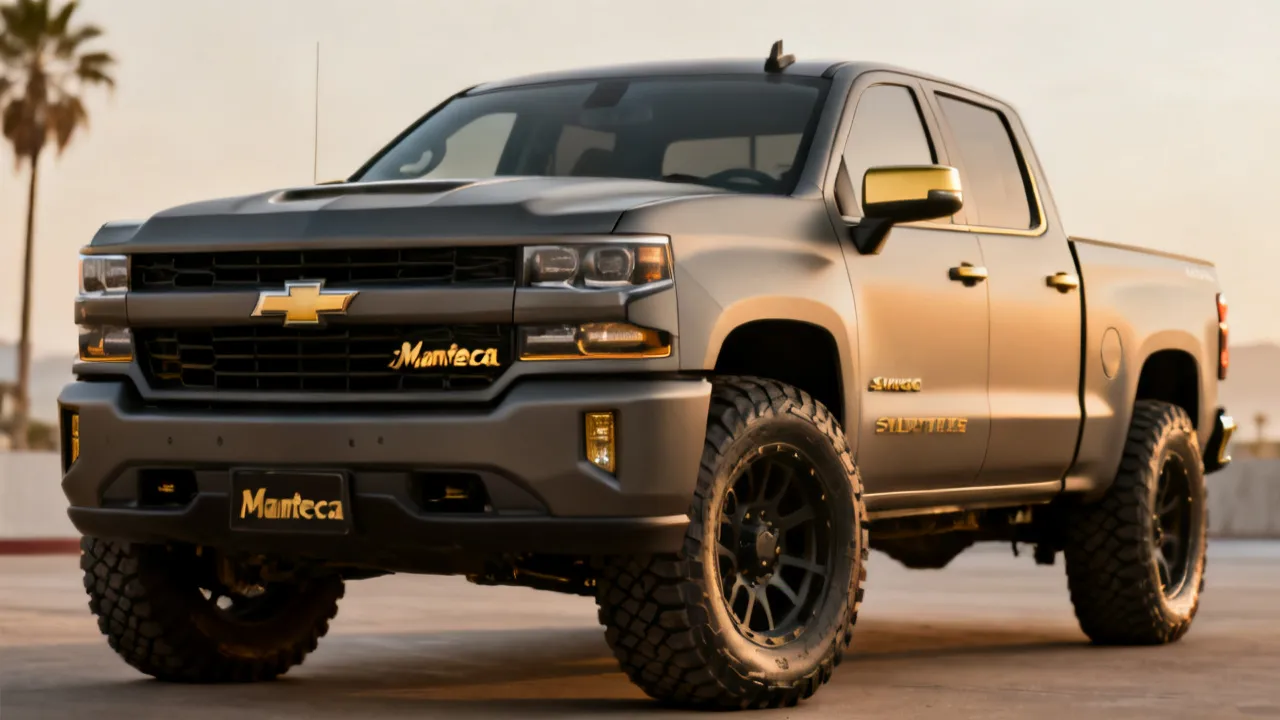
Chevy Silverado Manteca Edition: What to Know Before Buying
This guide explains the Chevy Silverado Manteca Edition and helps buyers evaluate how the “Manteca” styling and package approach cost, availability, and suitability. Objectively, the Silverado line is built for work-ready capability and broad trim customization, so edition-specific features typically target appearance, convenience, and select hardware. Use the comparison and checklist to match your needs.
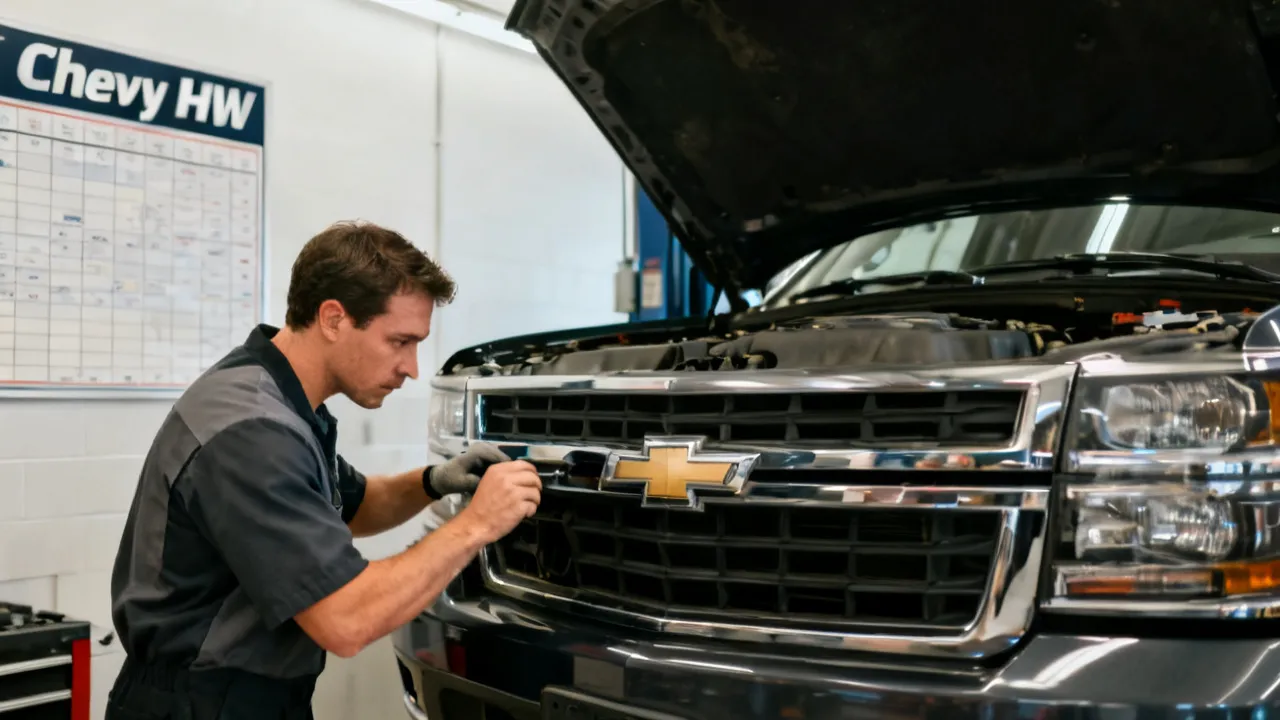
Understanding Chevy HW: Buying, Pricing, and Sourcing
This guide explains Chevy HW options, typical pricing drivers, and how to source reliably. “Chevy HW” is commonly used as a shorthand in automotive communities for a Chevrolet-related hardware or parts setup, often discussed alongside compatibility, condition, and supplier reliability. You’ll find an objective framework for evaluating offers, choosing suppliers, and confirming fitment before purchase.
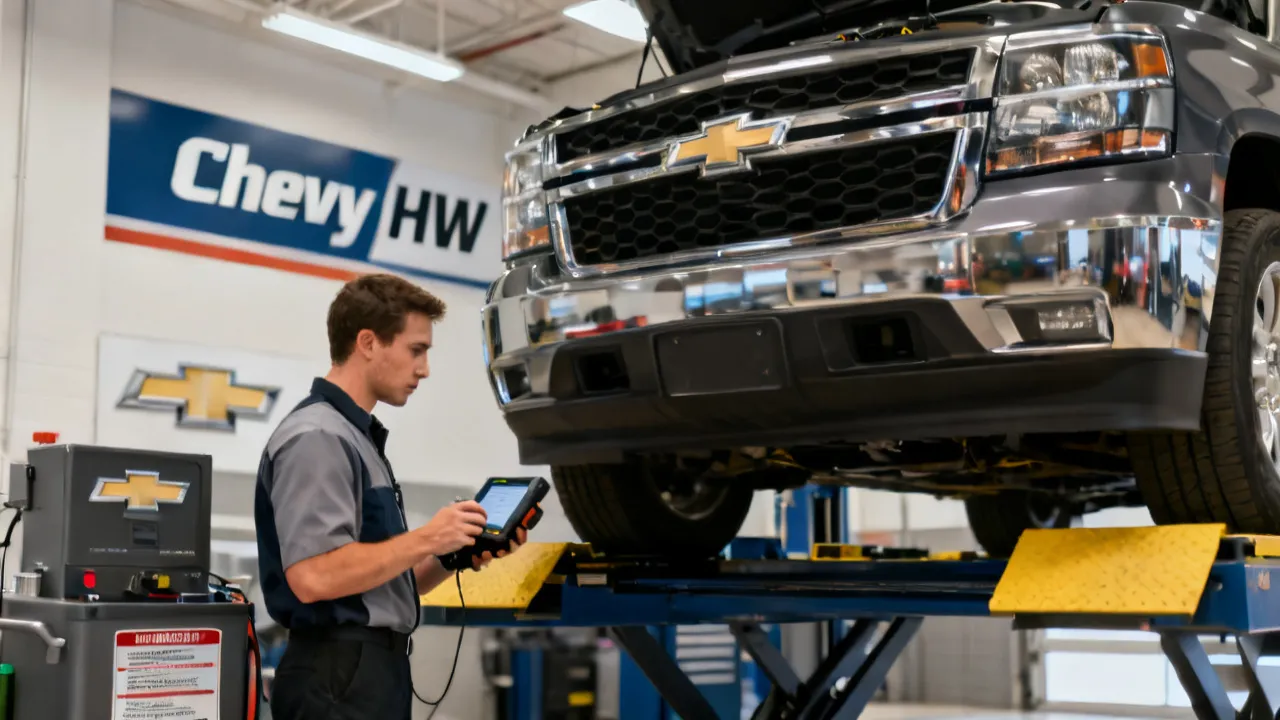
A Practical Guide to Chevy HW Selection
This guide explains how to evaluate “Chevy HW” options for durability, parts compatibility, and service outcomes. “Chevy HW” is commonly used as a shorthand term in the market to describe certain Chevrolet hardware and related components or kits. Objectively, buyers should prioritize fitment, documentation, and reputable supply chains before comparing price.
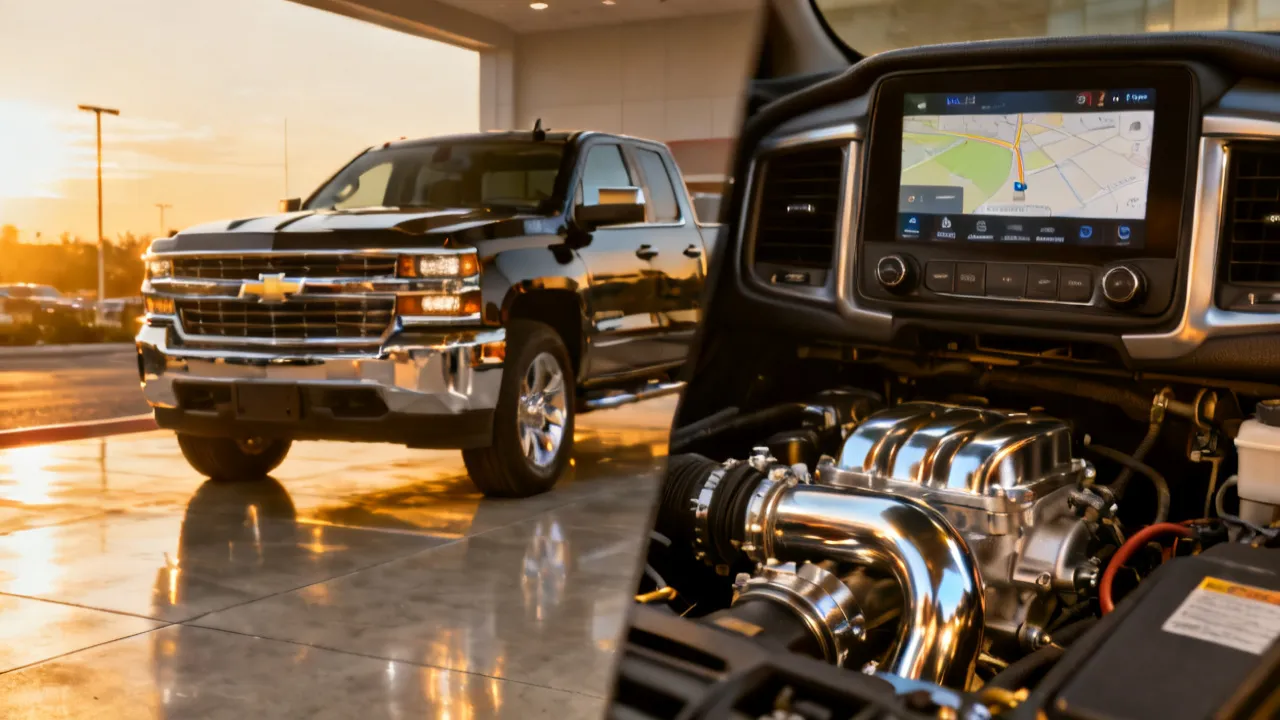
Chevy HW Guide: Pricing, Suppliers, and Buying Checklist
This guide explains what to evaluate when searching for Chevy HW options, including typical price ranges, supplier considerations, and practical buying conditions. Background context is provided on how “Chevy HW” is commonly used in the market, why sourcing matters, and what due diligence helps buyers avoid mismatches.
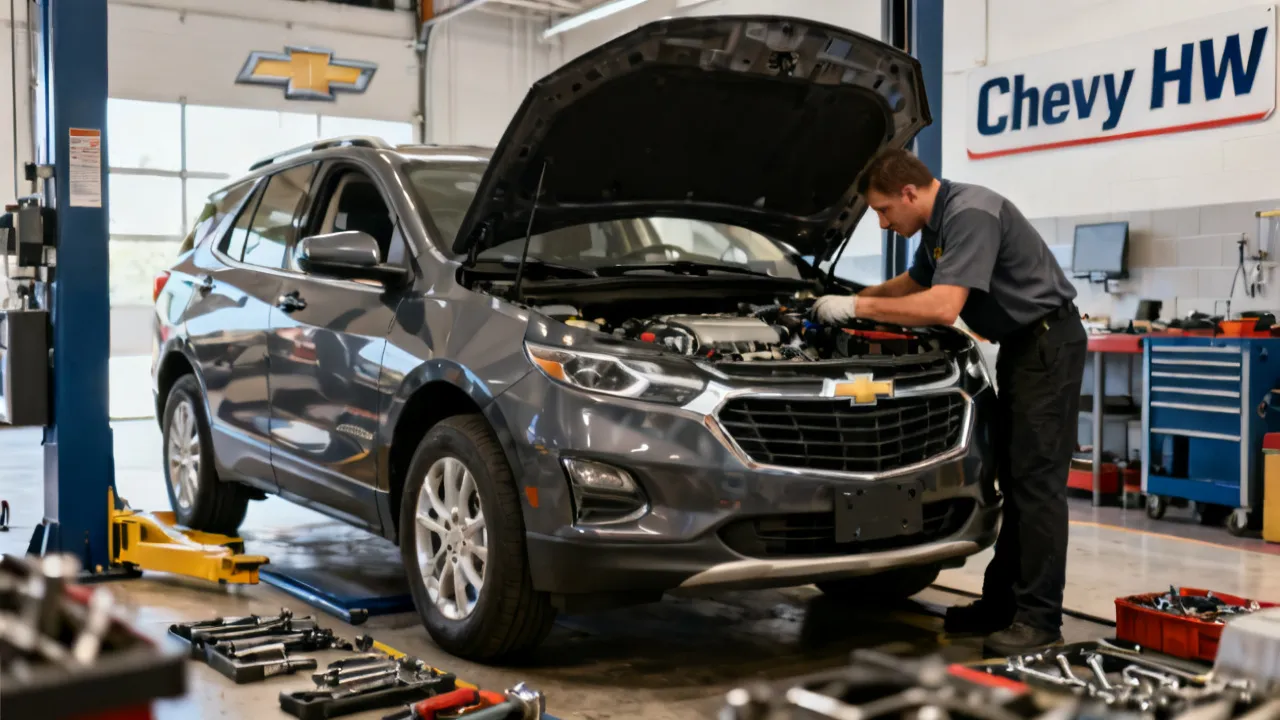
Understanding Chevy HW: Options, Sourcing, and Buying Guide
This guide explains how to evaluate Chevy HW options responsibly, focusing on fit, sourcing, and realistic total cost rather than hype. Background context clarifies what “Chevy HW” commonly refers to in enthusiast and parts circles, why compatibility matters, and how supplier credibility affects outcomes—helping readers ask the right questions before selecting parts or services.
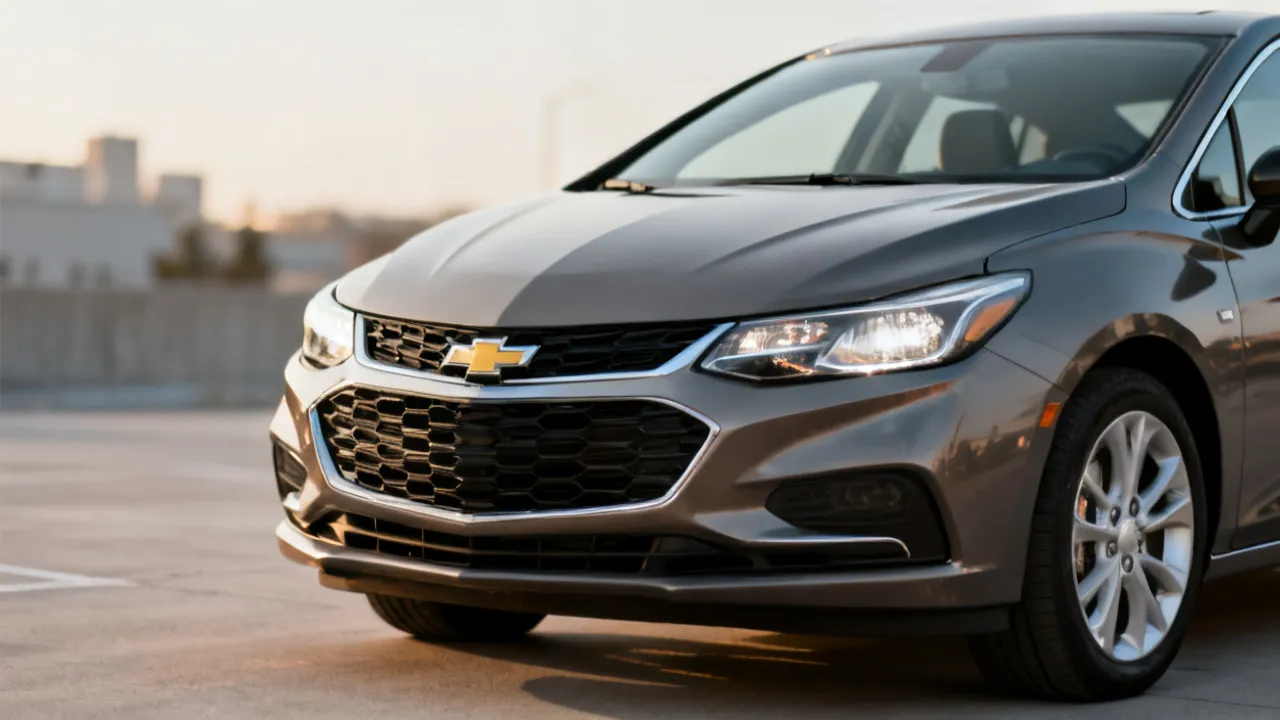
Buying and Sourcing the Cruze 2017 Wisely
This guide helps you evaluate the Cruze 2017 with a buyer’s mindset—focusing on condition checks, sourcing decisions, and ownership considerations. Objectively, “Cruze 2017” typically refers to the 2017 Chevrolet Cruze model, while “sourcing” covers how buyers compare listings from dealers or private sellers. You’ll also find criteria and requirements to reduce procurement risk.
