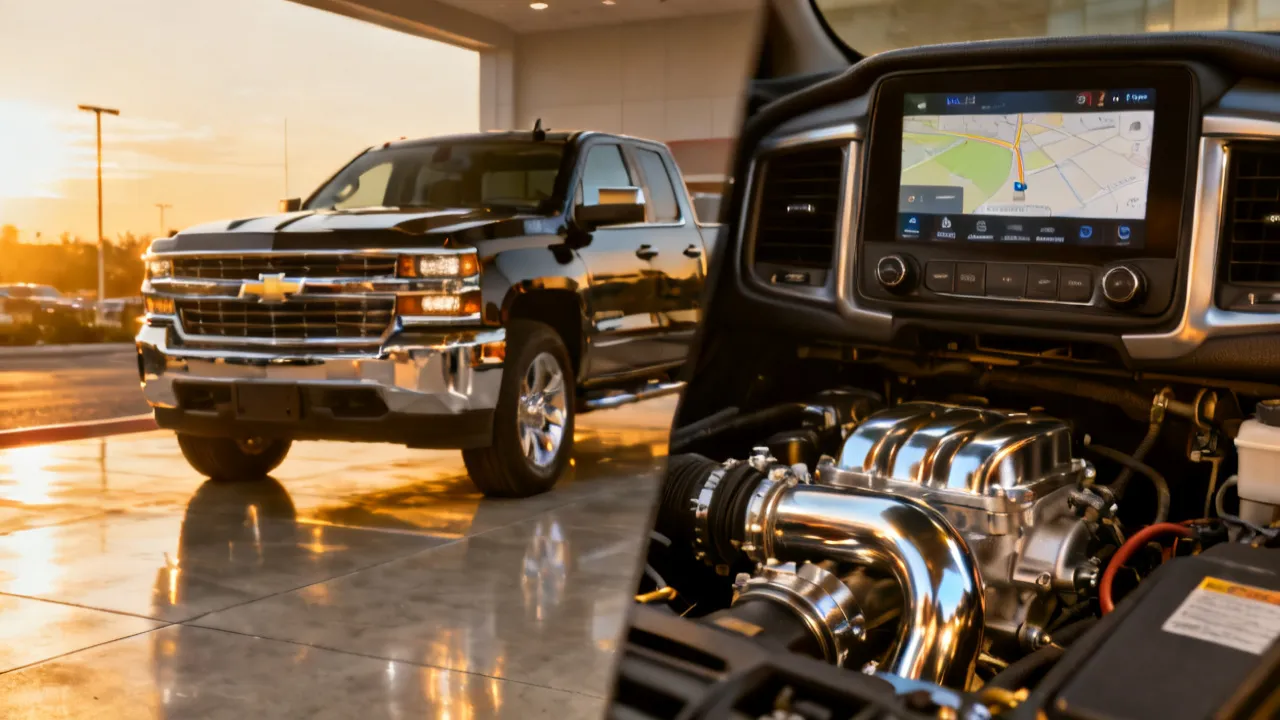
This guide examines the Chevy Silverado Manteca Edition—how it’s positioned, what to evaluate, and how to compare real ownership costs before purchase. Objectively, the “Manteca Edition” naming reflects a market trim strategy, while Silverado heritage focuses on work-focused durability, broad parts availability, and configurability. Use these criteria to choose confidently based on your needs and local availability.
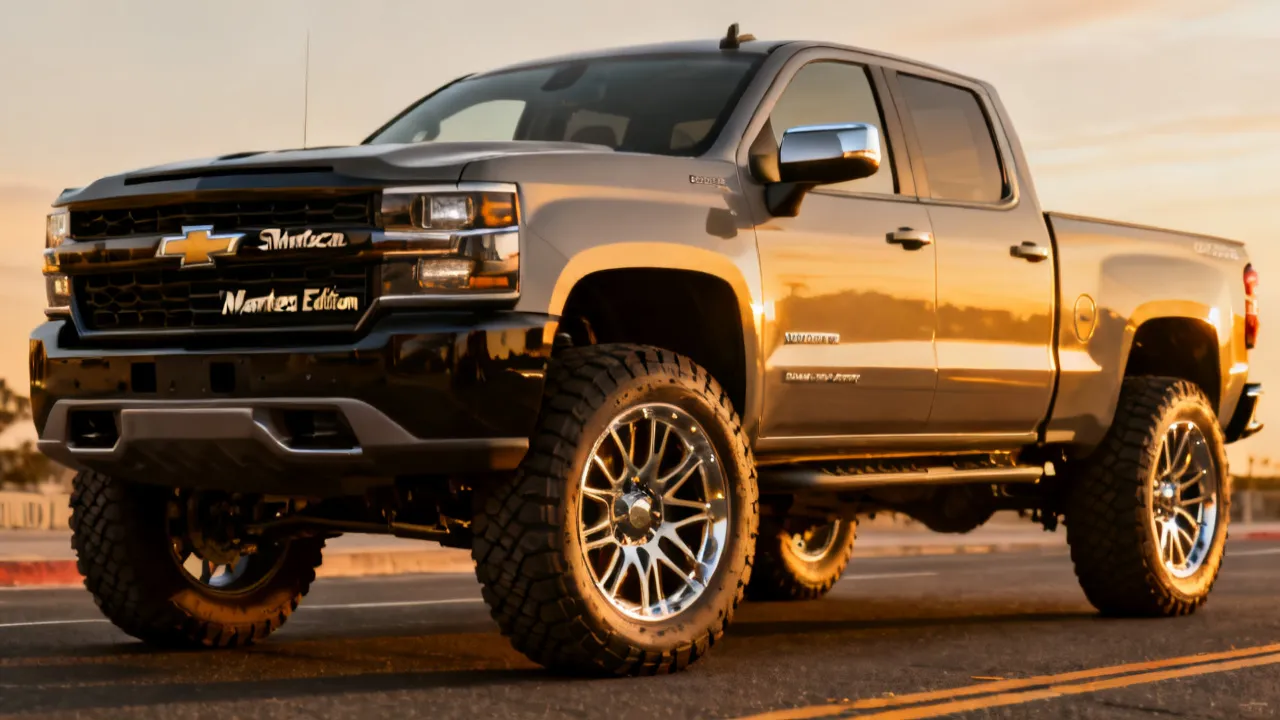
If you’re considering the Chevy Silverado Manteca Edition, the smartest starting point is not the badge—it’s how the truck’s configuration aligns with your typical driving, maintenance expectations, and budget. This edition is best approached as a blend of Silverado practicality and market-specific styling or equipment. An industry-minded way to evaluate it is to compare total monthly cost, spec-to-usage fit, and service lifecycle considerations rather than relying on surface-level differences.
From an expert perspective, the “edition” label often indicates a curated combination of trim features, appearance packages, and dealership-adjacent options rather than a fundamentally new platform. That means your decision should be rooted in verifiable details: drivetrain choice, payload/towing capability where applicable, brake and tire match, warranty terms, and the availability of compatible parts and labor in your area. “It’s a Silverado” is a starting point—but your real confidence comes from confirming exactly what you’re buying.
In practical ownership terms, the first things you should check before you even get emotionally attached to the exterior styling are:
When you prioritize these items, the decision becomes objective. If the Manteca package is giving you value (in features you’ll actually use) at a price that makes sense for your total cost of ownership, it can be a smart buy. If it’s mostly cosmetic upgrades with a cost premium, you may want to compare against a more direct trim option.
The Silverado family is engineered for wide use cases—construction, hauling, commuting, and towing—supported by extensive dealer and service networks across many regions. The Chevy Silverado Manteca Edition typically attracts buyers looking for a distinct look and a purposeful package without stepping into custom, one-off builds.
In objective terms, “edition” trims tend to concentrate value in three places:
Because edition configurations can vary by model year and supply channel, an expert’s approach is to confirm the exact window sticker/spec sheet for the unit you’re evaluating. Even within the same name, two trucks can differ meaningfully in drivetrain, axle ratio, or technology bundles. For example, one truck might be a 4WD configuration with a specific tow package and upgraded cameras, while another might be 2WD with different driver assistance content. Those differences can matter more than the “edition” styling itself.
It’s also helpful to think of “edition” trims as a shortcut in the buyer journey. Instead of selecting options individually, the package creators curate a combination that appears coherent in marketing photos and dealership displays. That curation can be beneficial—if it lines up with your needs. But because you didn’t choose each component yourself, your job as the buyer is to confirm that none of the included features are mismatched for your priorities (for example, tires that don’t suit your climate, or a tech suite level you don’t actually want to pay for).
When positioning the Manteca Edition, ask yourself a simple question: Is this a better value bundle for my use case than two alternatives—(a) a different Silverado trim, or (b) the same trim without the edition package? The “edition” label can obscure that comparison, so you should break the truck down into line items (drivetrain, tires, tow components, safety tech, interior features) and evaluate those pieces.
When shoppers search for a “price,” they often see an attractive headline number and then run into the reality that final out-the-door cost depends on taxes, registration, and any dealer-installed items. In addition, financing structure and trade-in valuation can materially change affordability. Two trucks with the same MSRP can end up with very different final prices based on how the dealership structures the sale.
Since you requested the narrative to integrate price information and supplier details, it’s important to note a constraint: without verified figures from a specific listing or supplier, the article can’t responsibly quote exact pricing. Instead, the very helpful and objective method is to show you how to evaluate the price you’re offered and what to confirm before signing.
Practical expert guidance: request (or verify) the unit’s build sheet, warranty start/end dates, and a line-item breakdown of all fees. Compare comparable trims on similar mileage and condition if shopping pre-owned. Also, don’t stop at the number you see on the internet listing—confirm the actual out-the-door total and the details behind it.
To make “price” real, you want to separate it into components that affect your total cost:
It’s common for buyers to focus on monthly payment because it’s emotionally digestible. But monthly payment can mask total cost—especially if the dealer stretches the term length, bundles add-ons, or uses financing with higher APR. If you want to compare options fairly, ask the supplier for either (a) the exact out-the-door price in cash terms or (b) the financing quote including total interest cost over the life of the loan.
Finally, remember that “price” also includes opportunity cost: if the Manteca edition includes features you won’t use, you may be paying for something that won’t translate into satisfaction or resale value. On the flip side, if the package includes tires, tow features, or tech you would otherwise buy later, the edition could be a value-positive bundle.
Supplier details matter because edition trims are sometimes allocated through specific dealer groups or regional inventory channels. If you’re purchasing from a dealership or a reseller, ensure the supplier can provide:
From an industry standpoint, this reduces the “spec drift” risk—when a marketing name sounds identical but underlying equipment differs. Some sellers may list a vehicle as “Manteca Edition” based on trim branding they see in photos or in their inventory system, but the actual spec can differ from what you assume. VIN-based confirmation removes that ambiguity and helps you validate everything from tire size to whether certain tech features are actually present.
Supplier mismatch problems typically appear in predictable ways:
To avoid these issues, use the VIN as your “source of truth.” A reputable supplier will not object to you requesting documentation. If they do object, that’s a signal to proceed more cautiously or walk away.
The following factors very strongly determine whether the Chevy Silverado Manteca Edition fits your daily life. Rather than assuming, treat each as a verification step. Buying a truck is not just buying an exterior or a brand—it’s buying an operating experience over years, including parts availability, maintenance costs, and how the vehicle behaves on the roads you drive.
Think of the evaluation checklist as a funnel:
If you do it in that order, you’ll avoid wasting time comparing details that don’t matter for your use case.
Confirm whether the truck is configured for two-wheel drive or four-wheel drive, and what engine and transmission pairing it uses. For buyers who frequently tow or travel on variable surfaces, drivetrain selection affects confidence, handling feel, and wear patterns. Even within “4WD,” the way the truck engages and the type of transfer case can differ by configuration.
To make this practical, connect drivetrain choice to your actual driving patterns:
Also verify the driving mode behavior if your configuration includes it. Some trucks include different traction profiles or selectable ride modes. If you frequently carry cargo or drive on rough surfaces, having better tuning and appropriate modes can improve comfort and reduce strain.
Edition packages often include visually distinct wheels and tire sizing. Tires influence:
Ask for the tire brand/model and size. If you drive in areas with frequent rain or temperature swings, matching tire type to your climate can be more valuable than adding cosmetic upgrades later. The tires you buy today may be the most frequent recurring expense you’ll face after purchase, because tires wear faster than many other major components.
Beyond brand/model, also check:
Wheel/tire sizing affects ride quality. Larger wheels often look better but can increase harshness over bumps and potholes. A truck can still be comfortable, but the “edition” look may come with a ride trade-off. If ride comfort is important, pay attention to whether the truck has an appropriate suspension package or whether the tires are overly stiff.
Finally, confirm whether the spare tire and wheel setup match the tire configuration. In some cases, trucks include a compact spare or a different tire type. If you plan to drive long distances, verify what you would actually install if a tire fails.
If you plan to tow, confirm the truck’s towing package and any factory-recommended limits. Even when two trims are both “Silverado,” payload and towing capability can vary based on axle ratio, hitch configuration, cooling package, and the presence of certain equipment.
To evaluate towing readiness, you should confirm:
Also, consider payload realistically. Buyers often focus on maximum towing capacity but forget that payload and total combined weight matter too—especially if you carry passengers and cargo inside the truck while towing.
Even small differences can matter. For example, adding heavy equipment or certain accessories can reduce available payload. Tire selection and wheel size can also affect load rating and overall stability. Therefore, your approach should be to confirm the truck’s specific ratings for your VIN, then compare those ratings to your intended trailer’s weights.
For objective guidance on towing and vehicle capacities, rely on manufacturer documentation for the specific VIN. Industry reporting consistently notes that towing performance is sensitive to configuration details, not just model name.
If you’re the type of buyer who wants to “feel confident” rather than calculate on paper, the solution is to test-drive with a clear mental model: how the truck accelerates, how it holds speed on a grade, and how stable it feels at highway speeds. While you can’t tow during a test drive typically, you can pay attention to how the truck’s transmission behavior and gearing match your expected towing use (especially if the truck includes tow/haul mode).
Silverado tech features can range from standard infotainment to more advanced driver assistance suites. Before purchase, verify what’s included: blind-spot monitoring, rear cross-traffic alert, lane assistance, parking sensors, and camera quality.
Before you commit, confirm:
Experts often see buyers who later discover a desired function was not part of their exact build. A simple VIN-based confirmation prevents that mismatch. Additionally, ask whether there are any software features locked behind subscriptions or dealer activation. Some features are packaged in certain trims and some require enabling via settings at purchase; understanding that avoids frustration.
Also examine usability details, not just feature names. For example:
The “edition” styling might be impressive, but the practical daily experience comes from the technology usability and safety features. If those features align with your driving style, the edition becomes more than cosmetic value.
From a longevity standpoint, the Silverado’s broader parts availability is a major advantage. Still, you should confirm:
This is especially relevant for edition trims if any appearance components are unique or less common—though very Silverado parts remain widely supported. Even if the “Manteca” elements are mostly exterior/interior, they still matter for long-term cost. If you ever need replacement parts (wheels, trims, badges, or specialty lighting), you want to know how easily they can be sourced and how expensive they might be compared to standard equipment.
Maintenance planning is also about your comfort level and budget discipline. A common mistake is to compare sale price without thinking about what it means for ongoing ownership:
If you buy new, you’re mainly managing maintenance schedules and warranty coverage. If you buy used, you’re also managing the risk of previous wear or modifications. Ask for maintenance records and inspect for evidence of neglected service (for example, unusual brake wear or uneven tire wear).
Finally, confirm whether the truck has any service campaigns or recalls outstanding. Many issues are minor, but being informed upfront is part of buying smart. A reputable dealer will provide transparency around recall status.
Buyers often wonder whether an edition trim is a better route than configuring your own truck. The very objective answer depends on your priorities.
The Chevy Silverado Manteca Edition is top evaluated as a curated path that can either save time—or lock you into features you may not need. That’s why verifying the exact equipment list is critical. If you’re the type of buyer who values “good enough” configuration and wants to avoid long build delays, edition trims can be efficient.
To compare effectively, consider a “bundle value” test. Identify which components the edition includes that you would likely pay for anyway. For example:
If the edition includes features you would otherwise add at additional cost, then the bundle is likely a better value. If it includes mostly cosmetic items you don’t care about, you might be paying a premium without proportional benefit.
With build-to-order, you can explicitly choose whether you want the technology suite at the exact level you prefer. However, you also need to manage longer waits and the possibility that your preferred build isn’t available at the time you want it. A smart strategy is to define a “must-have” list and a “nice-to-have” list, then match the edition’s build to those priorities.
In many real-world buying scenarios, buyers end up choosing between:
The Manteca Edition can be ideal if the inventory unit matches your must-haves. If it doesn’t, you might do better selecting a different trim or waiting for a build.
This section turns the purchase logic into a structured checklist you can use at the dealership or during online evaluation. It’s designed to be practical without assuming any unverifiable pricing.
| Category | What to Compare | Why it Matters |
|---|---|---|
| Price components | Out-the-door total, taxes/fees, any add-ons, and financing terms | Headline MSRP can differ from your actual cost |
| VIN-based spec | Engine, drivetrain, axle ratio (if applicable), wheel/tire size, safety suite | Two “same name” trucks can be different builds |
| Warranty | Coverage period, transferable status (if pre-owned), exclusions | Protects you against early-life repair risk |
| Towing/hauling needs | Whether the truck has factory tow package components | Determines real capability and thermal performance |
| Service ecosystem | Local dealer and independent shop support, typical turnaround | Reduces downtime and improves good ownership experience |
To strengthen this framework, you can add two more categories that many buyers forget:
Including those categories makes your buying decision more complete. You’ll better understand how the truck will cost you over time, not just how it costs you at the time of purchase.
To make this guide even more effective, you can treat the process like a scoring system. Assign points for how well each category meets your needs:
This approach helps you avoid being swayed by a single appealing feature. Trucks are complex machines, and a good decision is usually a balanced one across categories. The Manteca edition might score well on appearance and feature bundling; your job is to confirm the “utility” categories are not weak links.
Also, consider doing a quick “dealer checklist” during the visit:
These checks are not about being overly technical—they’re about confirming the vehicle is “as expected” rather than “as described.”
Buying a Silverado—especially an edition trim—often reflects regional driving realities. In regions with more rain, you’ll likely value tire grip and driver assistance camera quality. In areas with heavier winter conditions, you’ll want to confirm whether the truck’s tire type and wheel setup handle low traction scenarios. In hot, dusty regions, cooling performance and air filtration become more noticeable over time.
Because you didn’t specify a particular city or country, this guide avoids pretending knowledge of local inventory or taxes. Instead, treat the checklist above as your universal method, then adapt it to your climate and typical road conditions.
To tailor the purchase decision to your region, consider these examples:
Localization also applies to cost of ownership. Insurance rates, maintenance costs, and tire pricing can vary by region. Even if two trucks appear identical, your real costs may diverge once you factor in regional pricing for tires and service labor.
When dealing with suppliers—dealerships, fleet resellers, or online vehicle marketplaces—use objective verification rather than trust-by-brand name. Consider these top practices:
To further protect yourself, also clarify:
If you’re buying from a supplier that can’t provide or won’t provide documentation, it’s worth considering that you may be taking on hidden risk. Hidden risk tends to surface later as expensive repairs or as warranty disputes. A careful buyer prevents those issues early.
One more protective step: request the vehicle history report for pre-owned units. A history report doesn’t tell you everything, but it can reveal accidents or title issues. Then, align that info with a physical inspection and maintenance records.
The Chevy Silverado Manteca Edition is top understood as a market- and packaging-oriented trim designation within the Silverado lineup. It typically bundles certain appearance elements and feature selections. The exact equipment can vary by build, model year, and inventory source, so you should confirm the full VIN-based spec sheet for the specific truck.
In other words, the name usually signals a curated combination—often including exterior accents and possibly interior/tech elements—rather than a totally different engineering platform. Because the label can vary in what it includes, the only reliable way to understand what you’re getting is to look at the vehicle’s documentation for that exact VIN.
Ask for the VIN and review the official window sticker or build documentation. Verify key items such as drivetrain, wheel/tire size, towing package presence (if you need it), and the exact driver assistance suite. For used vehicles, confirm whether any prior modifications altered original equipment.
If the supplier is responsive, you may also ask for a photo of the sticker and/or an equipment list. For online listings, confirm that the listing information matches the VIN documentation. If you notice any discrepancy between listing photos/features and the window sticker, treat the window sticker as correct and ask for clarification.
It can, but only indirectly—towing performance depends on the truck’s specific configuration (such as cooling components, axle ratio, and whether the factory tow package is installed). The edition name alone is not a reliable substitute for checking manufacturer towing documentation for your exact VIN.
For example, one “edition” might include wheels/tires that are heavier or different in load rating, which can affect payload. Another might be packaged with a tow-ready cooling configuration or wiring harness. Those are the meaningful variables—not the label itself. Confirm the tow package and read the rated capacities for your VIN.
If you want a curated set of features quickly, an edition trim can be efficient. If you have precise needs (for example, a specific safety suite level, wheel type, or drivetrain), build-to-order may provide better alignment. Many buyers choose edition trims for value and convenience, but the “top” choice depends on how many of the bundled features match your priorities.
A practical way to decide is to list your must-have features and see whether the edition’s VIN spec includes them. If it does, the edition is likely a good fit. If it misses multiple must-haves, build-to-order (or a different inventory unit) can save you from paying for unwanted features.
Look beyond the headline number. Confirm out-the-door pricing, itemized fees, and any add-ons. If financing is involved, review the total cost and loan terms—not only the monthly payment. For pre-owned trucks, compare condition, mileage, and service history.
Also verify whether the supplier is including any dealer-installed warranties, tire/wheel coverage, or protection packages. Sometimes those add-ons are worth it, but sometimes they’re priced high or overlap with existing manufacturer coverage. Ask for the details so you can judge value objectively.
In general, Silverado models benefit from a broad service ecosystem because they are widely sold. Still, verify that local service providers can support your specific powertrain and equipment. Edition-related appearance components are usually supported as well, but unusual configurations may require more lead time for certain cosmetic parts.
If you plan to use an independent shop, ask whether they can service your specific model year and powertrain and whether they have access to parts quickly. This matters if you want to avoid downtime.
Consider whether you’ll keep the truck long enough to enjoy the package and whether the added cost is within your budget. If the upgrades are veryly cosmetic and you prioritize function, a different trim may provide similar utility at a better cost. If you value the look and the included features, the edition can offer a cohesive package advantage.
One useful perspective: think in terms of “value per year.” If the edition costs you an extra amount upfront but you enjoy the look and any included functional elements for several years, it may be worth it. If it costs more and only changes visuals, you may prefer to invest that difference into tires, maintenance, or a higher-priority functional option.
The Chevy Silverado Manteca Edition can be an attractive option when the bundled features genuinely match how you drive and what you plan to do with the truck—whether that’s commuting, weekend hauling, or occasional towing. The key is to evaluate the vehicle as a precise configuration, not as a nameplate. Verify the VIN-based spec, scrutinize the total out-the-door price, and ensure the warranty and service path align with your good ownership goals.
If you share the exact trim details (drivetrain, engine, wheel/tire size, and whether it has a tow package) and the supplier’s price breakdown you’re seeing, I can help you compare it objectively against close alternatives.
Striking the Perfect Balance: Navigating Premiums and Out-of-Pocket Expenses in Senior Insurance Plans

Explore the Tranquil Bliss of Idyllic Rural Retreats

How to Make Lasting Memories at Disneyland Attractions

Affordable Phones and Plans for Seniors

Affordable Full Mouth Dental Implants Near You

Unlock the Top Kept Secrets to Finding Your Ideal Dentist for Flawless Dental Implant Results!

Discovering Springdale Estates

Unveiling RS Sul Telecom Services

The Guide to Car Trading

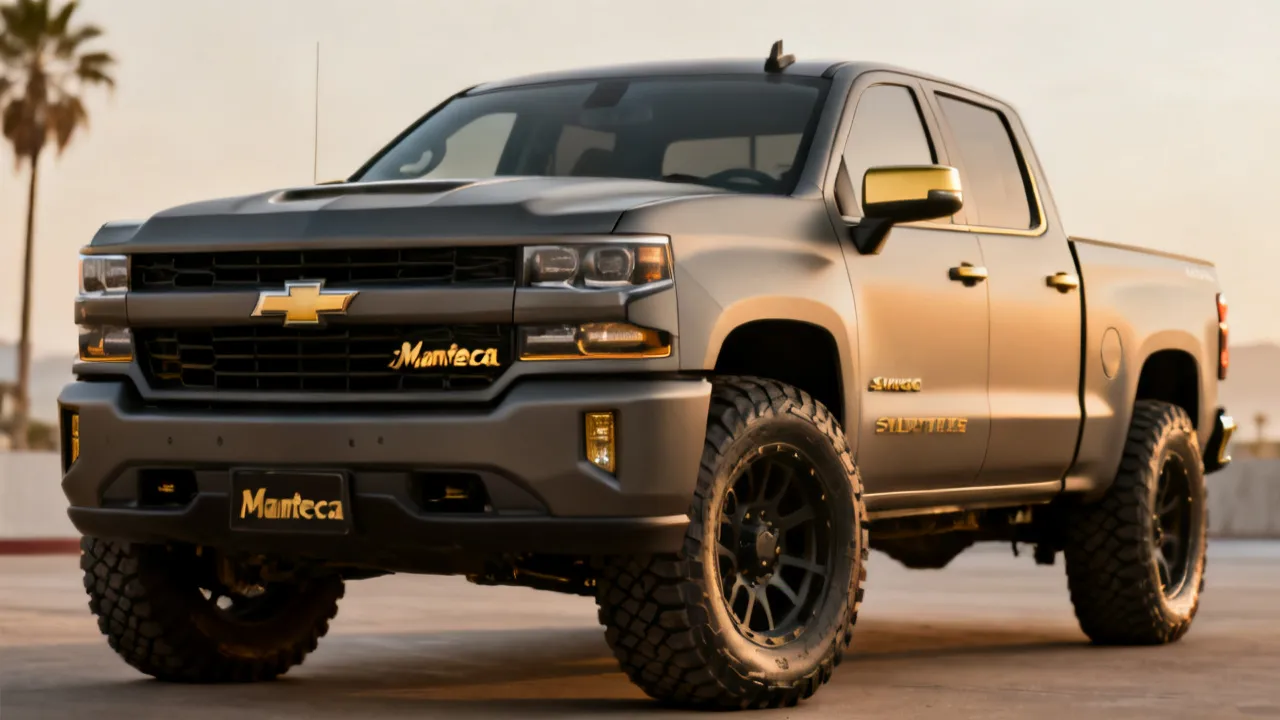
Chevy Silverado Manteca Edition: What to Know Before Buying
This guide explains the Chevy Silverado Manteca Edition and helps buyers evaluate how the “Manteca” styling and package approach cost, availability, and suitability. Objectively, the Silverado line is built for work-ready capability and broad trim customization, so edition-specific features typically target appearance, convenience, and select hardware. Use the comparison and checklist to match your needs.
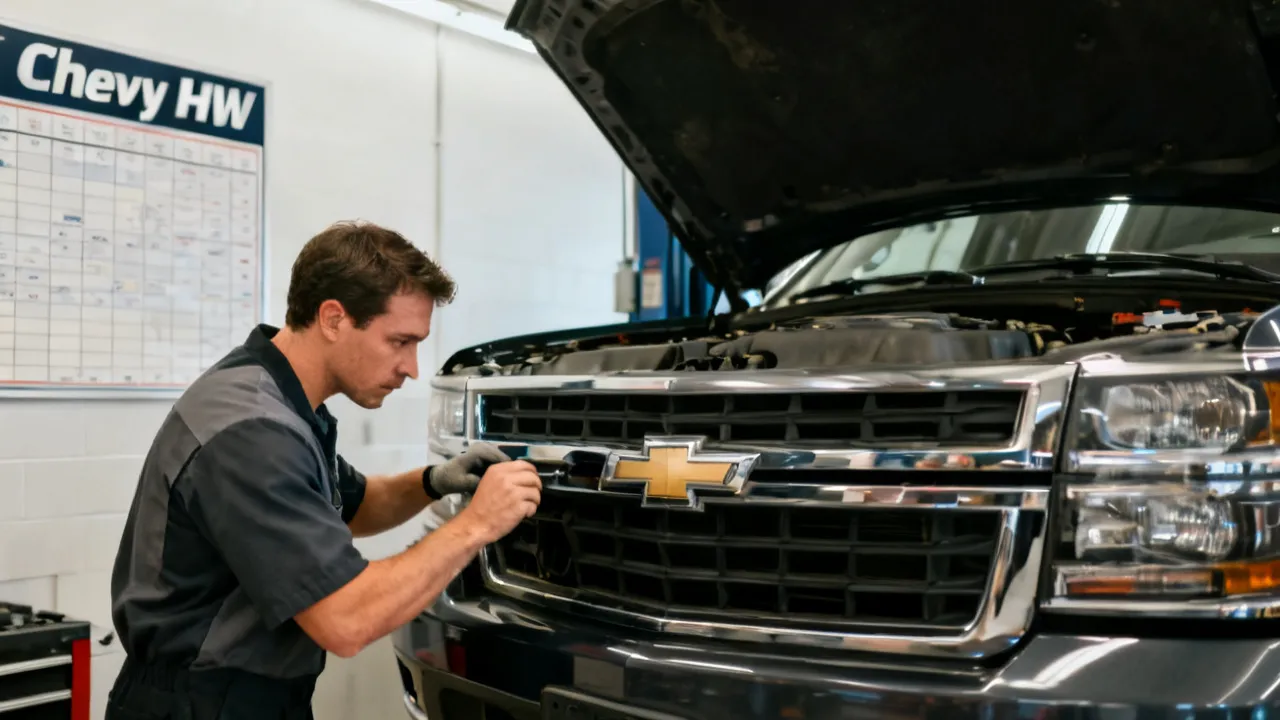
Understanding Chevy HW: Buying, Pricing, and Sourcing
This guide explains Chevy HW options, typical pricing drivers, and how to source reliably. “Chevy HW” is commonly used as a shorthand in automotive communities for a Chevrolet-related hardware or parts setup, often discussed alongside compatibility, condition, and supplier reliability. You’ll find an objective framework for evaluating offers, choosing suppliers, and confirming fitment before purchase.
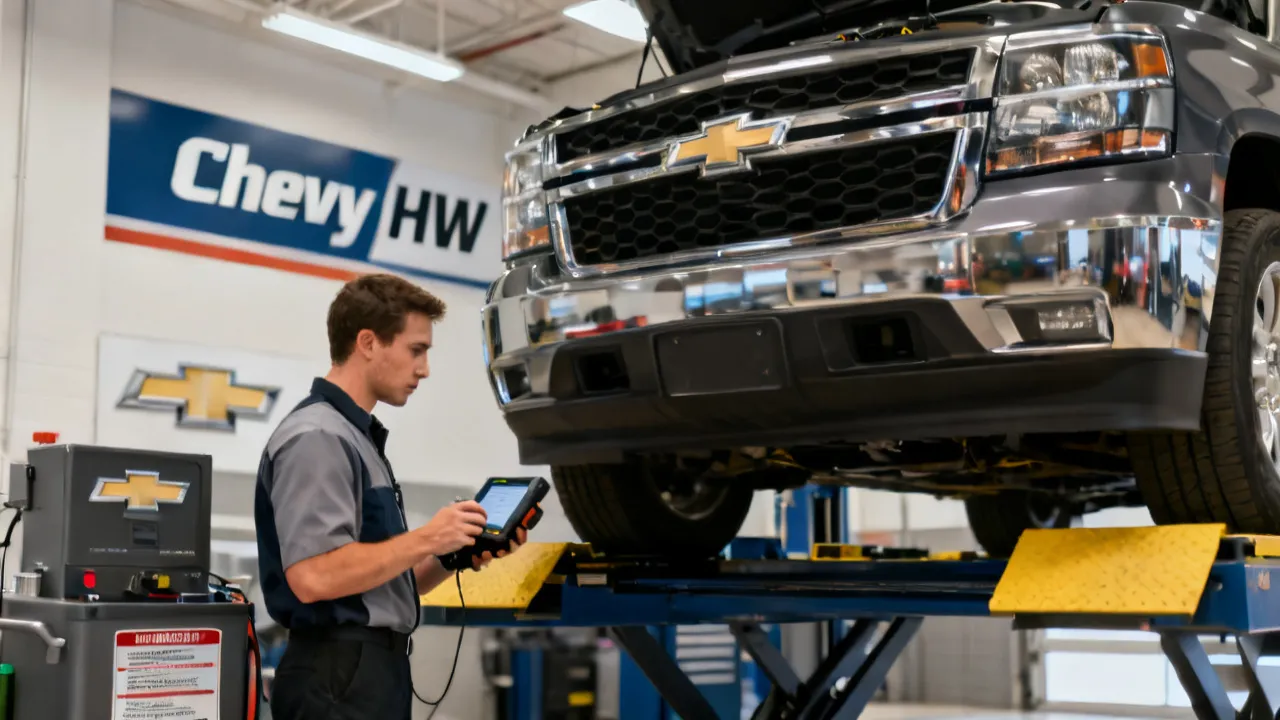
A Practical Guide to Chevy HW Selection
This guide explains how to evaluate “Chevy HW” options for durability, parts compatibility, and service outcomes. “Chevy HW” is commonly used as a shorthand term in the market to describe certain Chevrolet hardware and related components or kits. Objectively, buyers should prioritize fitment, documentation, and reputable supply chains before comparing price.
Chevy HW Guide: Pricing, Suppliers, and Buying Checklist
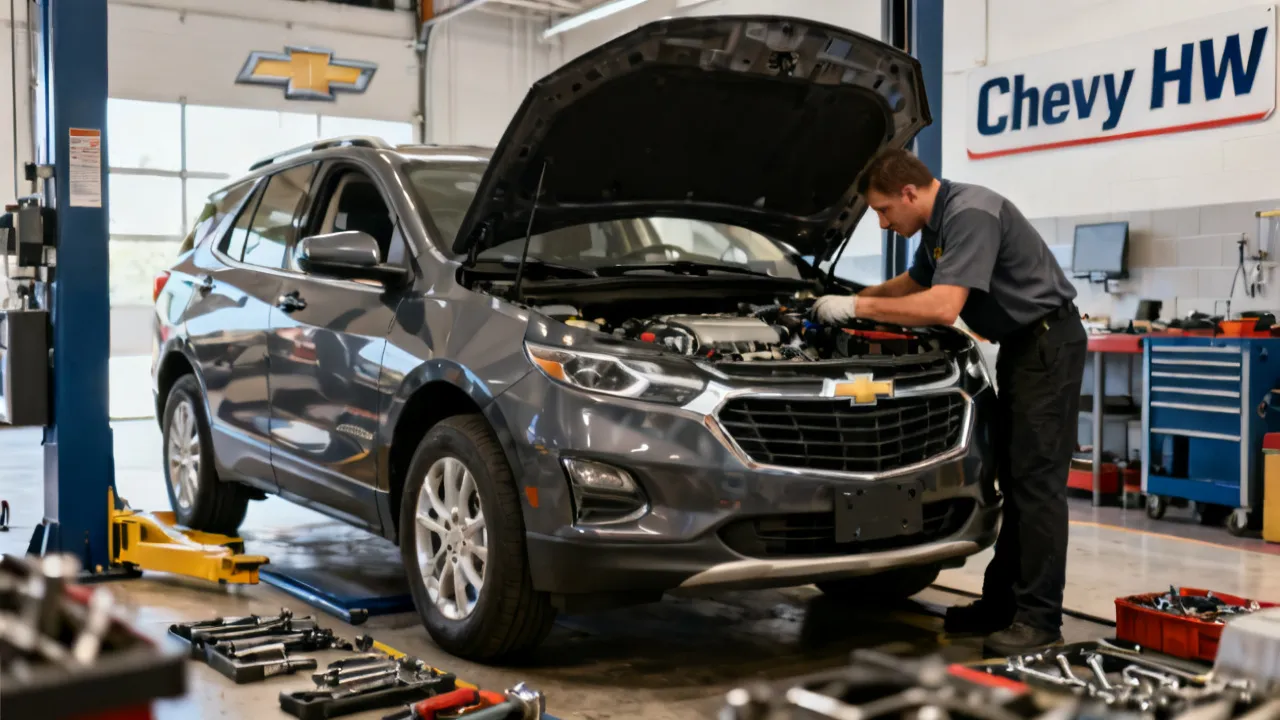
This guide explains what to evaluate when searching for Chevy HW options, including typical price ranges, supplier considerations, and practical buying conditions. Background context is provided on how “Chevy HW” is commonly used in the market, why sourcing matters, and what due diligence helps buyers avoid mismatches.
Understanding Chevy HW: Options, Sourcing, and Buying Guide
This guide explains how to evaluate Chevy HW options responsibly, focusing on fit, sourcing, and realistic total cost rather than hype. Background context clarifies what “Chevy HW” commonly refers to in enthusiast and parts circles, why compatibility matters, and how supplier credibility affects outcomes—helping readers ask the right questions before selecting parts or services.
Buying and Sourcing the Cruze 2017 Wisely
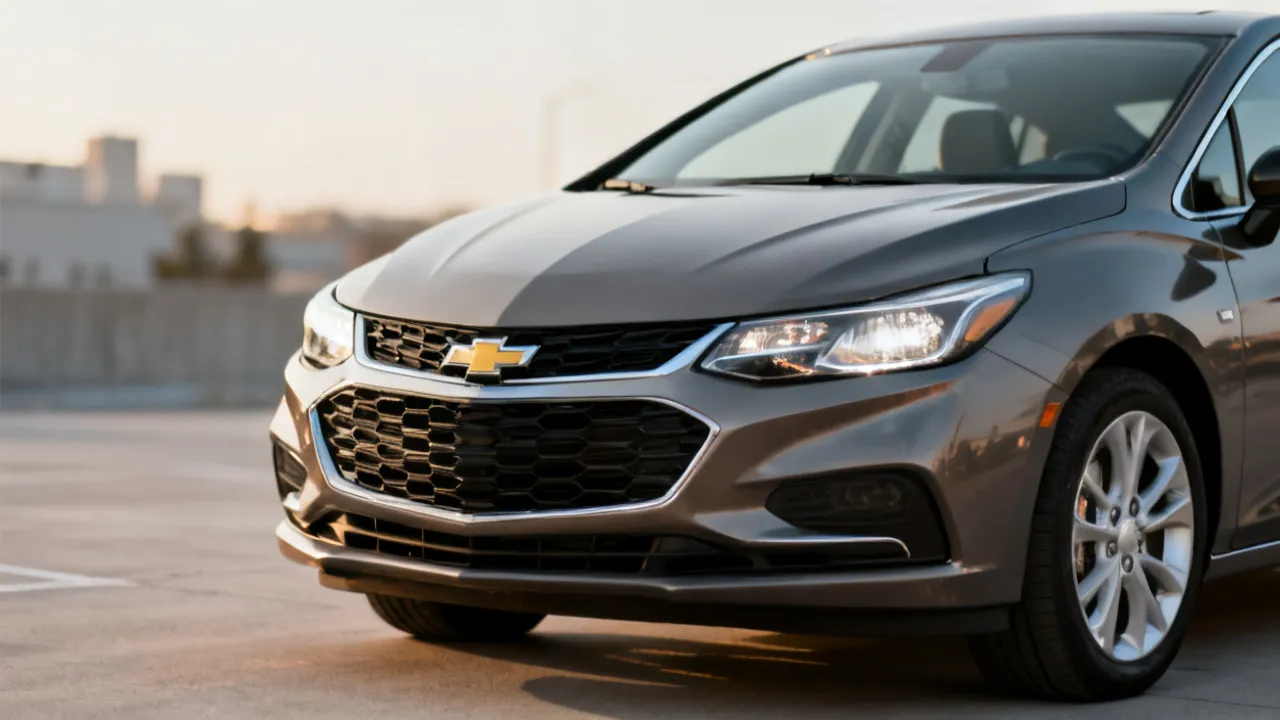
This guide helps you evaluate the Cruze 2017 with a buyer’s mindset—focusing on condition checks, sourcing decisions, and ownership considerations. Objectively, “Cruze 2017” typically refers to the 2017 Chevrolet Cruze model, while “sourcing” covers how buyers compare listings from dealers or private sellers. You’ll also find criteria and requirements to reduce procurement risk.
